1 month ago
52
1 month ago
52

Upgrade to High-Speed Internet for only ₱1499/month!
Enjoy up to 100 Mbps fiber broadband, perfect for browsing, streaming, and gaming.
Visit Suniway.ph to learn
ALBAY, Philippines – In Bicol, atado refers to a bundle of items, often food sold together in local markets.
The first-ever Virgin Lab Fest (VLF) in Luzon outside Metro Manila also offered an atado, bundling eight plays and letting audiences taste Bicol’s theatrical excellence, while confronting local struggles hidden behind state-masked abuse.
Spanning all six Bicol provinces and featuring multiple local dialects, VLF-Bikol’s four sets — Masapog, Malagtok, Matigsom, and Marugi — use culinary metaphors of flawed cooking to expose the harsh, hard-hitting truths lurking behind each province’s palatable facade.
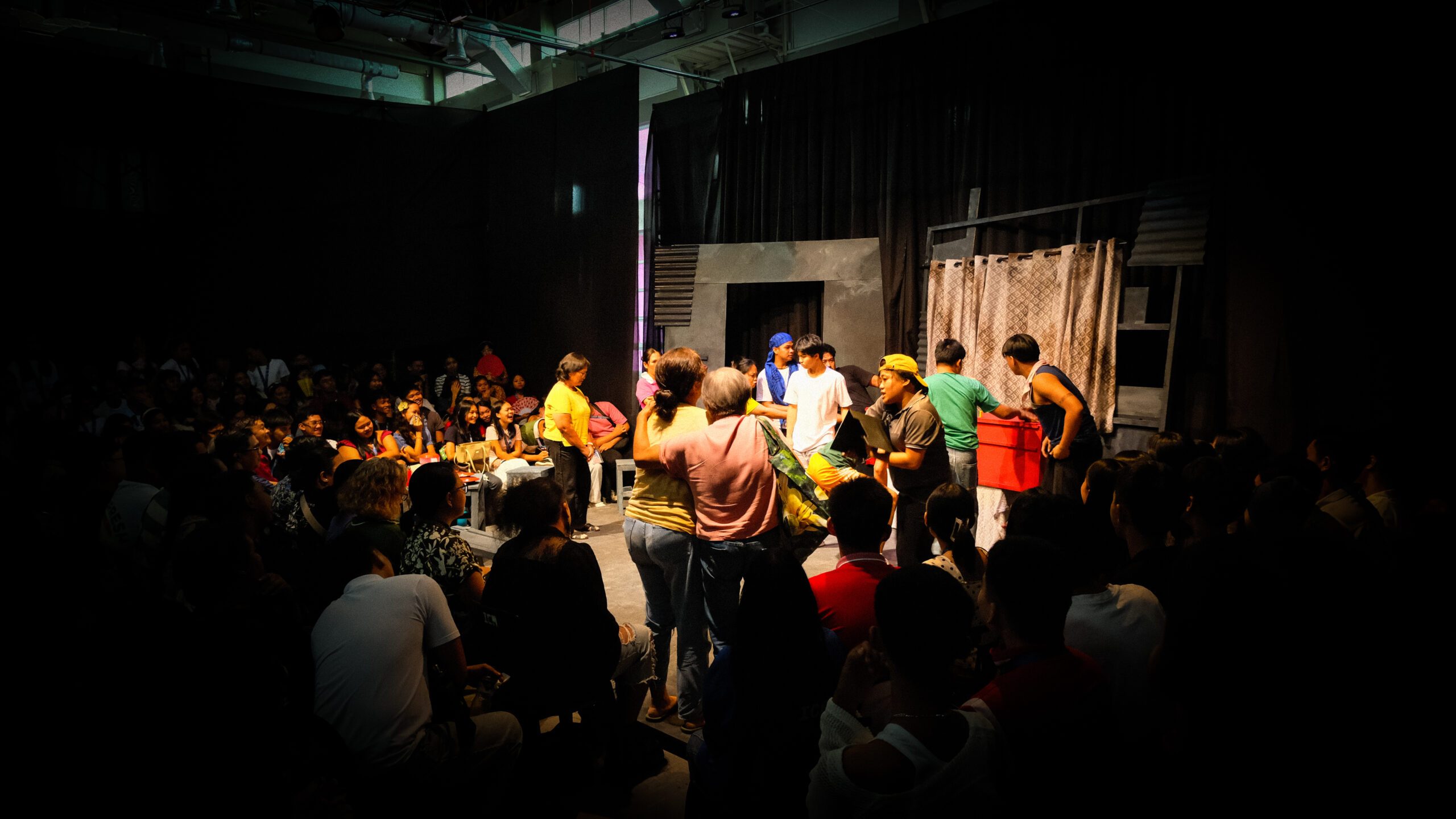 FULL HOUSE. The makeshift theater house of VLF-Bikol burst at the seams, swelling far beyond capacity as eager audiences from across the region catch the festival’s closing shows. All photos by Reinnard Balonzo/Rappler
 Though it took nine years for the show to materialize, VLF-Bikol overall festival director Sari Saysay believes the wait was destiny. For Bicol’s theater community, the festival serves as a bold testament to the persistence and courage required to force conversations off the stage and into the real world.
“We didn’t just taste different kinds of bundles; we shared them together. None of these were cooked perfectly, but what matters is that something has been served for us to collectively examine, reflect on, and discuss,” Saysay said in Filipino.
“Whatever your decision may be as audience members toward the plays we served, whether you swallow them or spit them out, we are still grateful that we will discuss and deepen this together.”
Cultural Center of the Philippines (CCP) vice president and artistic director Dennis Marasigan hailed the festival as a breakthrough for regional theater, breathing vital new life into stories and silenced issues across the country.
“The CCP deeply recognizes the abundant and wonderful seeds of Bicolano plays that continue to awaken the spirit of the audience. This is a great beginning for a more critical and deeper theater in the region and many other places in the Philippines,” Marasigan said in Filipino.
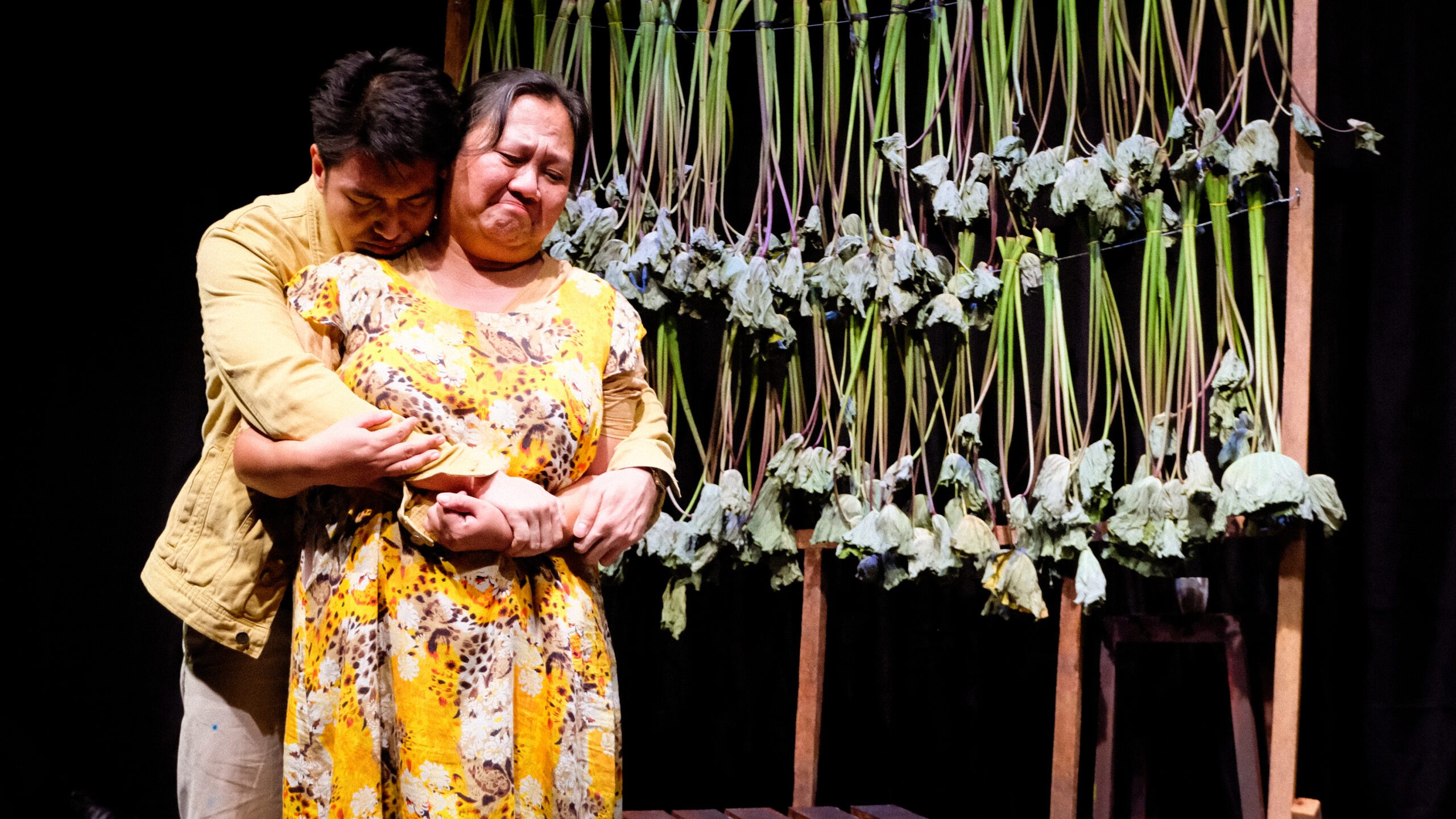 GRANDMOTHER’S LOVE. In a tender moment of emotional reckoning, the characters of ‘Luyos’ reflect on the arduous paths they’ve walked to chase their aspirations.
 Masapog
Locals describe dense, starchy food as masapog — the kind that sits heavy and is hard to digest in large amounts.
True to its name, Set A: Masapog delivered unsparing material that laid bare society’s deep-seated inequalities.
Featuring the plays Luyos and Mama, Mama, Papano Ka Mamuya?, the set confronted stark gaps in basic social services, from education and healthcare to labor and the grim realities faced by overseas Filipino workers (OFWs).
Luyos, a poignant production from Ligao City, follows a grandmother and her grandson driven by the desperate need to escape poverty and leave their old lives behind. Yet, as their emotional confrontations reveal, this personal struggle mirrors a wider systemic failure.
The play exposes how dreamers from far-flung rural communities face entrenched discrimination in schools and workplaces, creating formidable barriers to their aspirations.
In 2023, the Philippine Statistics Authority (PSA) reported that over 15.6% of Bicolano youth aged 5 to 24 were out of school, squeezed out by poverty, inaccessible facilities, and a scarcity of learning resources.
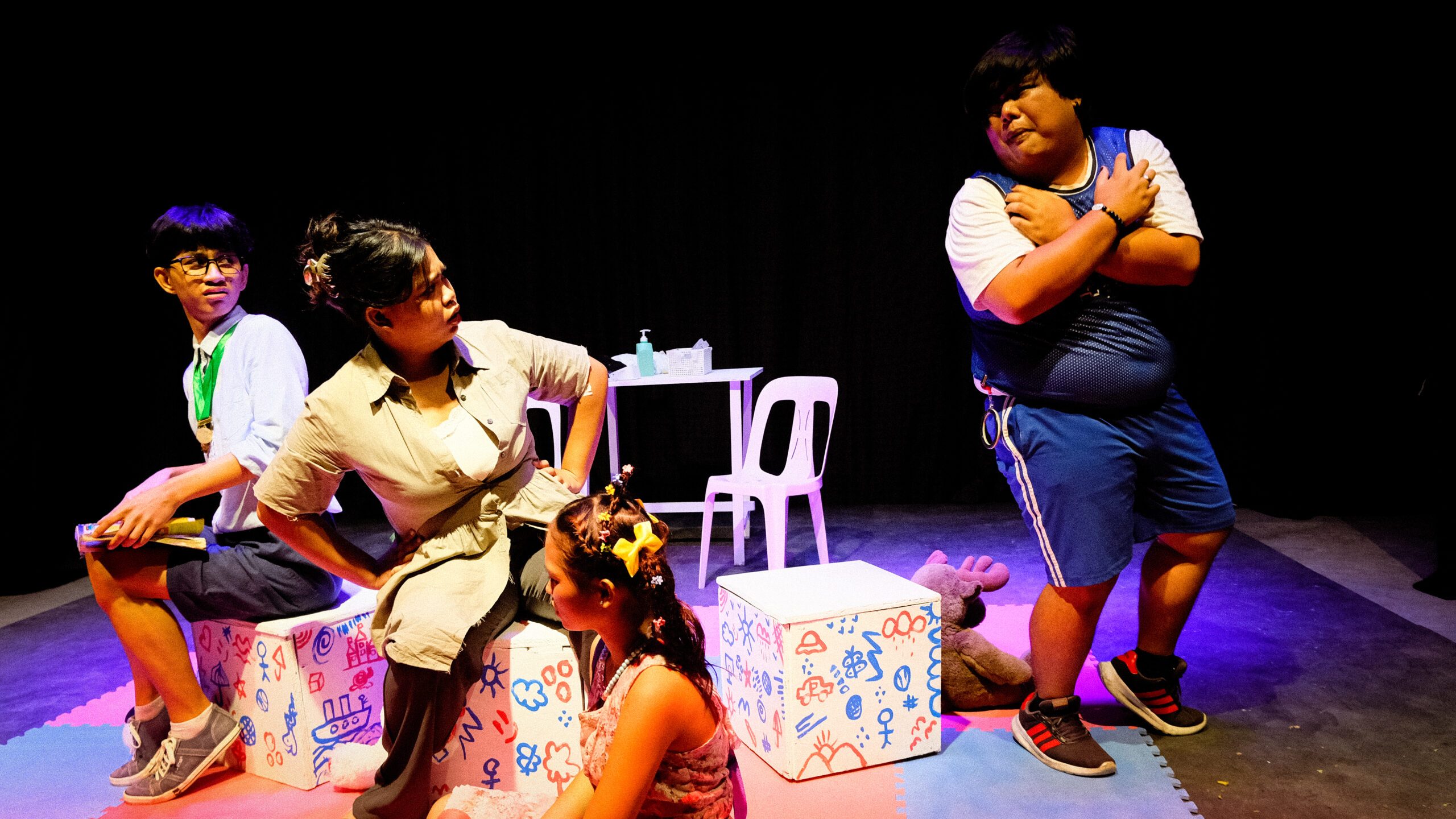 MATERNAL LOVE. Amid shared laughter and lighthearted jokes, a mother and her three children peel back the layers of motherhood in the Philippines.
 Mama, Mama, Papano Ka Mamuya? explores the painful dilemma of a young couple who long for children but decide against it because of the 2010s economic crisis and their plans to migrate as OFWs.
The characters’ witty, sharp banter gradually gives way to a heavier, sobering question of why children must bear the burden of justifying their existence and future in a world already crippled by economic hardship and lack of government support for basic social services.
Beyond the laughter, the play reflects the lived experiences of countless Filipinos forced abroad by economic distress.
According to PSA 2010 OFW survey data, the number of OFWs surpassed the two-million mark and has continued to climb, underscoring the systemic migration crisis and their desperate hope for a better life.
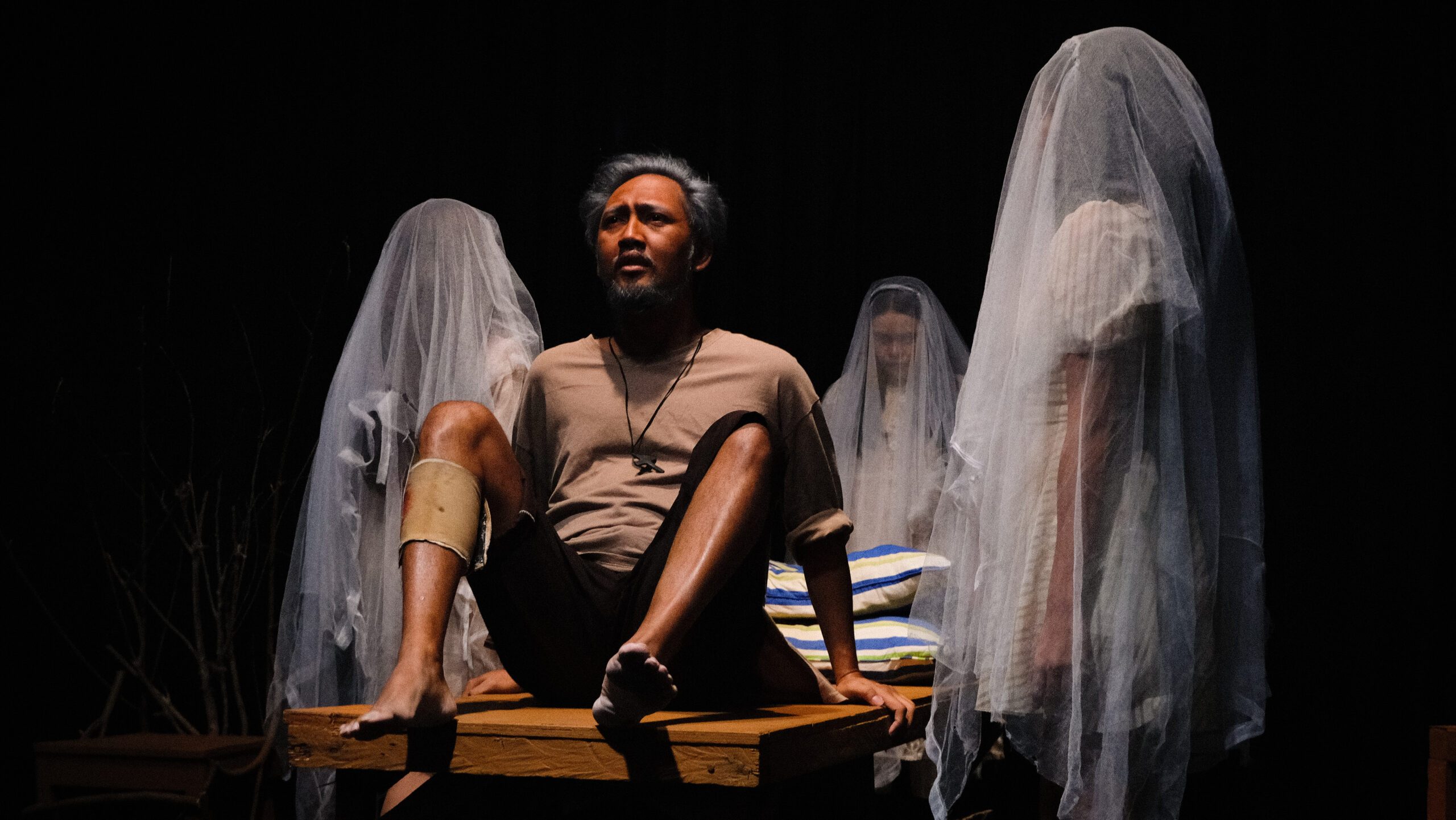 OLD SHADOW. Old, frail, and haunted, Mayong jolts awake from a relentless nightmare — a terrifying specter of trauma that has refused to loosen its grip on his mind for nearly 80 years.
Malagtok
Bicolanos use the term malagtok to describe undercooked rice that remains hard in texture. True to its name, Set B served up difficult-to-swallow realities:
Malasimbo dives deep into the sexual exploitation of women by American colonizers during the Philippine-American War from 1899 to 1902, while Sako exposes the harrowing struggles faced by the families of desaparecidos (victims who vanished due to alleged state abductions) in the region.
Sorsogon’s Malasimbo unearths how countless women were drugged and sexually exploited by American troops during the occupation, with local communities often blaming engkantos (mythical creatures) for the victims’ trauma-induced symptoms.
Though wartime sexual violence is a chapter of the past, the Bicol region continues to be haunted by rampant rape cases, particularly in isolated rural areas.
According to a 2023 PSA data, at least 11,479 victims aged 16 and younger fell prey to rape nationwide. In the Bicol region alone, at least 700 cases have been recorded, along with over 260 new cases logged in 2025 alone.
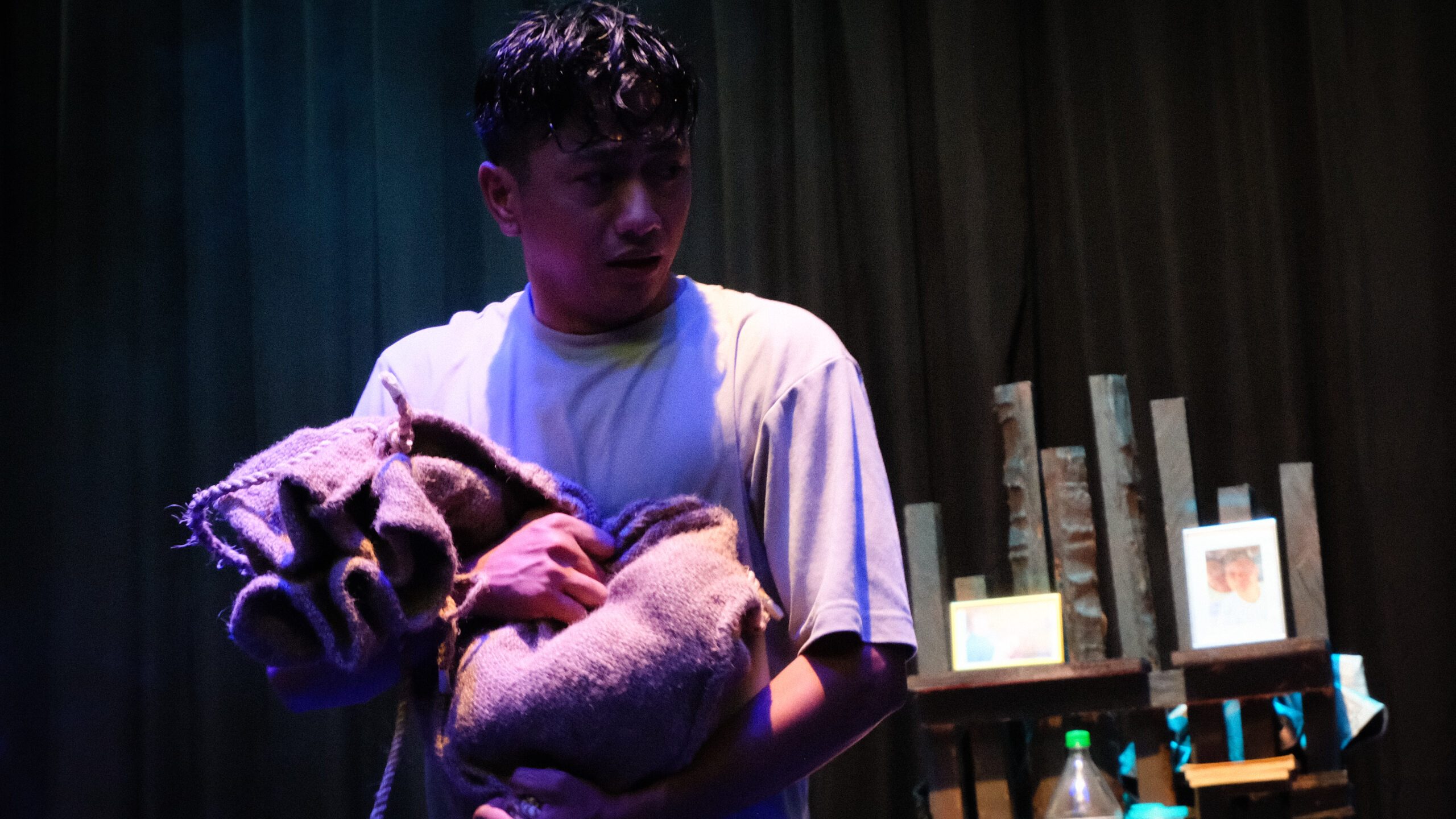 UNENDING GRIEF. Caught in a suffocating limbo, Denden wrestles with an agonizing mix of uncertainty and profound longing for his parents, who were snatched away years ago by enforced state abductions.
Meanwhile, Sako humanizes the lives of activists and their loved ones — specifically the families of desaparecidos.
Highlighting this ongoing crisis in Albay are the recent disappearances of activists James Jazmines and Felix Salaveria Jr., both of whom have been missing since 2024.
In an effort to make theater more inclusive, the cast of Sako learned and utilized basic sign language, driven by a character in the story who is deaf. The performance featured a sign language interpreter stationed beside the stage to relay the dialogue to deaf audience members.
The play was produced in partnership with the Albay Association of the Deaf, a local community organization championing deaf rights and advocacy.
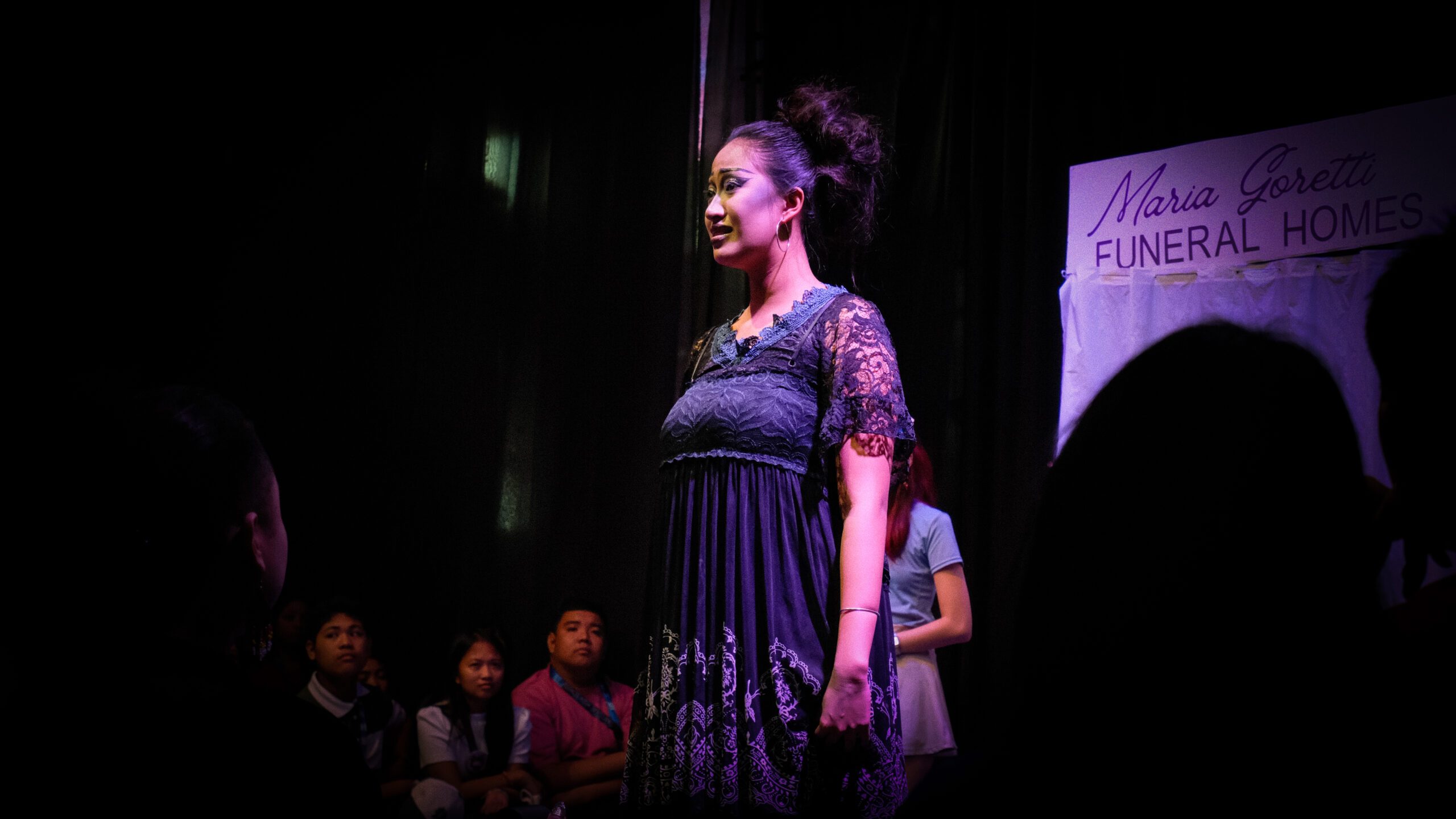 UNDYING INEQUALITY. With chilling candor, Ara delivers a haunting monologue laying bare how women are hunted by abuse in life and in death.
 Matigsom
Set C: Matigsom centers on the sour, bitter turns life takes, much like food that has begun to rot.
Featuring the plays Libing Things and Sallong Banggi Matapos Maglakaw ang White Lady sa Baybayon buda Magrigid sa Tinampo ang Divino Rostro, the set trains its lens squarely on the grim realities of gender-based violence.
Libing Things follows the unsettling work of morticians who groom the bodies of abused women. Over time, Ara, one of the morticians, begins to notice a recurring, horrifying pattern: the corpses bear the undeniable bruises, blood, and scratches of violence endured both in life and, hauntingly, in death.
In a chilling and unexpected climax on a cold, rainy night, Ara is forced to apply makeup to the bruised body of her own coworker at the funeral home.
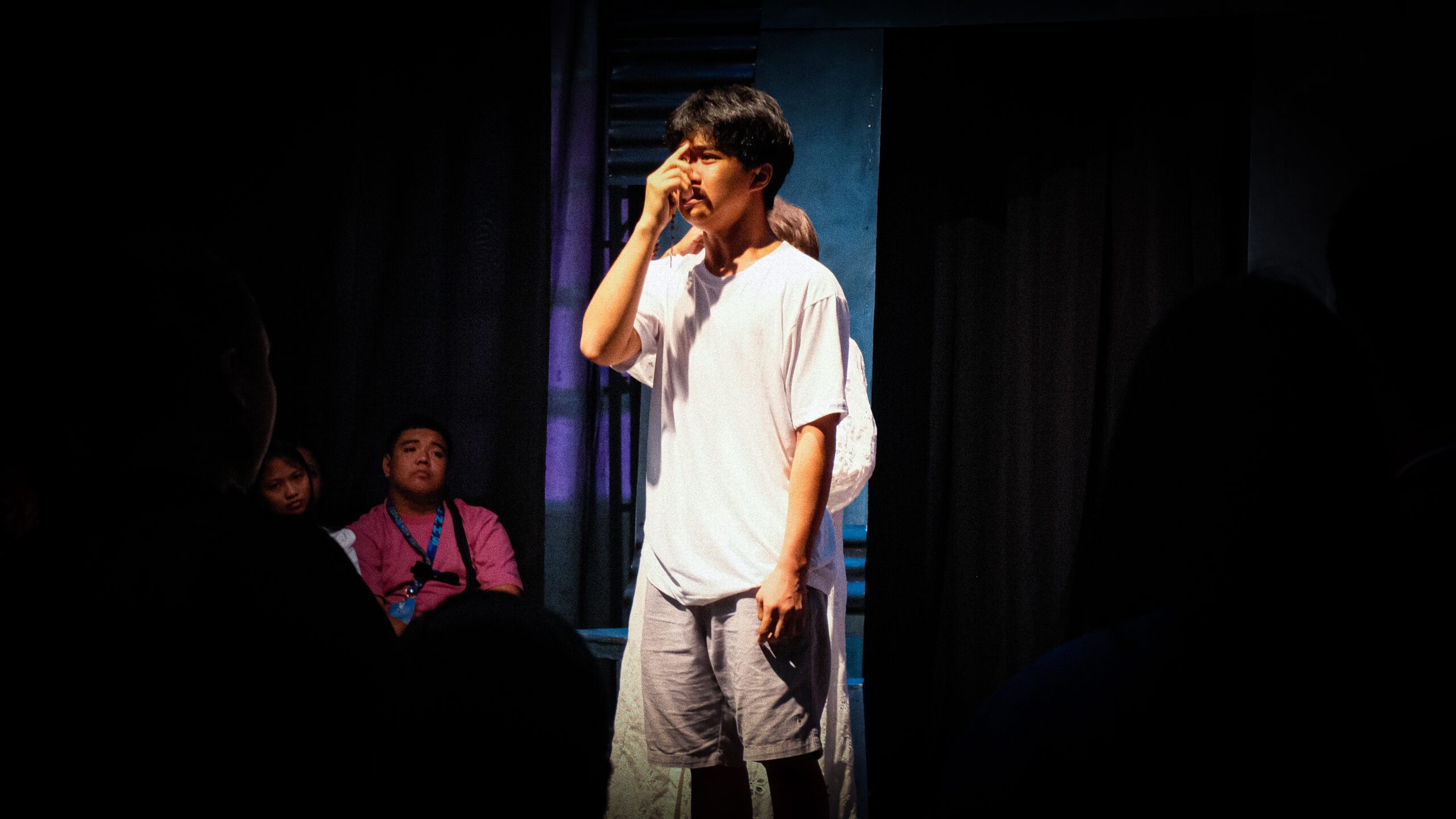 SILENCED SCARS. ‘Sallong Banggi’ unearths a harrowing truth of how countless young boys are forced to bury their experiences of sexual abuse in the dark, paralyzed by the fear of societal judgment, ridicule, and toxic stigma.
 Hailing from Catanduanes, Sallong Banggi similarly shocks and subverts expectations.
Shifting effortlessly from light, humorous scenes into a harrowing exploration of male abuse, the play shatters the silence surrounding men who are victimized and silenced by toxic gender stereotypes. The piece hauntingly weaves together elements of humor, horror, and profound emotional depth.
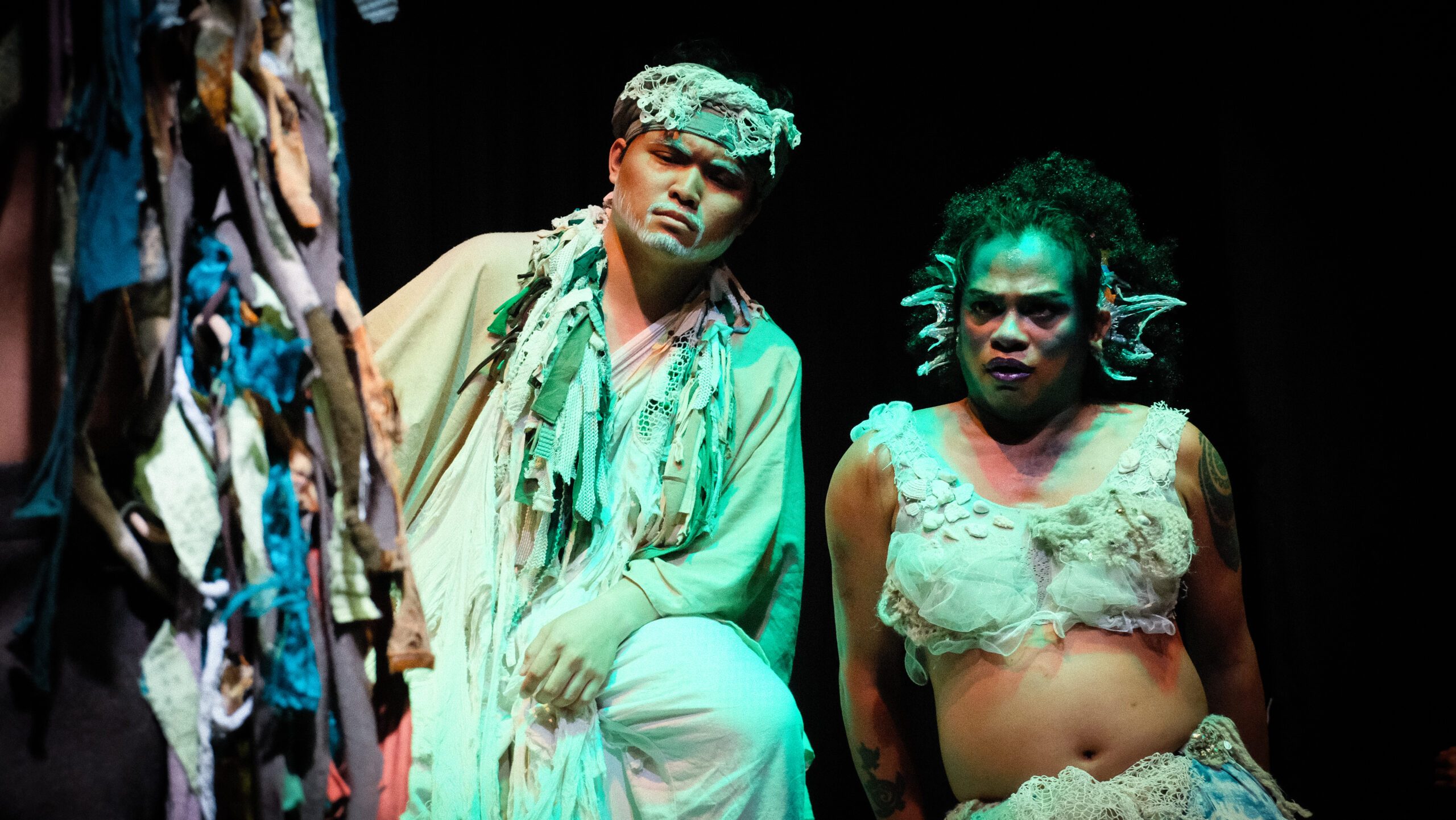 BOILING POINT. As conflict boils over in the town of Estrella, the characters in ‘May Bunyagan sa Kapitolyo’ demand that the government urgently address the town’s most pressing issues.
 Marugi
And finally, Set D: Marugi challenges audiences to examine the dangerous intersection of faith and politics — showing how blind obedience and misplaced devotion can curdle, much like too much rice water left to make a pot unpalatably mushy.
Featuring May Bunyagan sa Kapitolyo and An Mga Voyador, the set powerfully opens up a critical dialogue on both political and spiritual corruption.
May Bunyagan sa Kapitolyo fires sharp tirades at local politicians who prioritize consolidating power and maintaining a tight grip on office over serving their constituents, using both religious posturing and mass deception as tools of control.
This dynamic hits close to home in Bicol, where entrenched political dynasties routinely manipulate information to manufacture their own truths, painting themselves as anointed saviors to a populace battered by systemic inequalities and calamities.
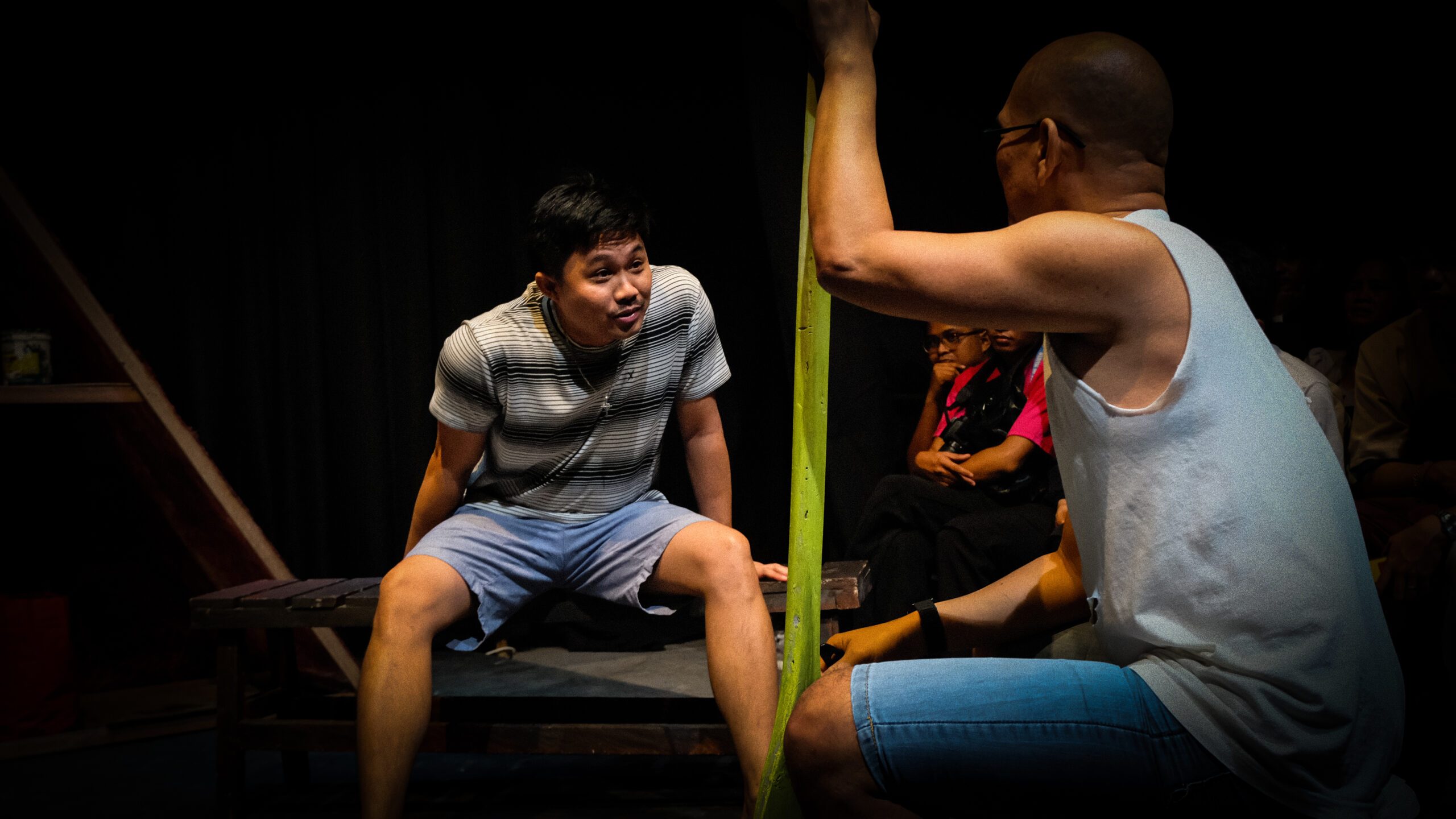 DEVOTION. Longtime Peñafrancia devotees ready their small wooden boats, fondly reminiscing over decades of faith and participation in the region’s cherished annual fluvial procession.
 On the other hand, An Mga Voyador looks into the harsh societal prejudices faced by formerly incarcerated individuals trying to rebuild their lives, particularly from self-righteous religious conservatives.
The play acts as a fierce reminder that true devotion and compassion — embodied by the region’s patroness, Our Lady of Peñafrancia — listen to the prayers of the marginalized indiscriminately, offering redemption rather than exclusion. –Rappler.com