 9 months ago
133
9 months ago
133

Upgrade to High-Speed Internet for only ₱1499/month!
Enjoy up to 100 Mbps fiber broadband, perfect for browsing, streaming, and gaming.
Visit Suniway.ph to learn
December 28, 2025 | 6:32pm
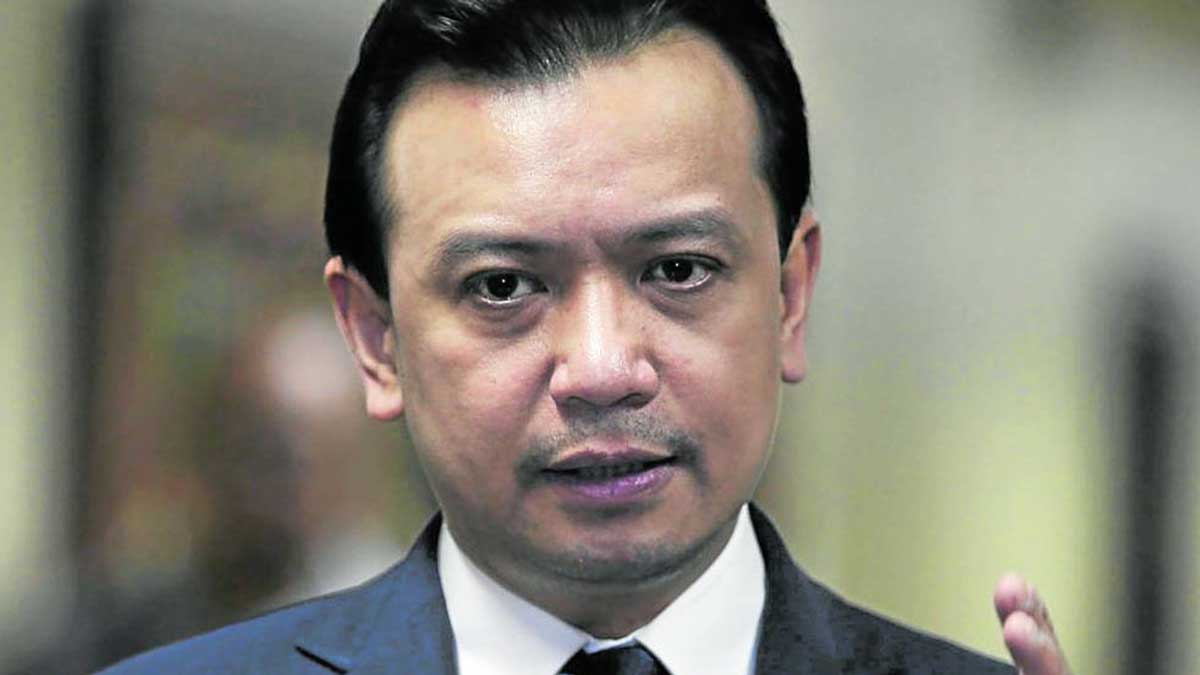
Members of the Bicameral Conference Committee discuss the proposed 2026 national budget in a livestreamed event on Dec. 14, 2025.
House of Reps
MANILA, Philippines — After days of negotiations under unprecedented public scrutiny, lawmakers on Sunday, December 28, signed off on the final version of the P6.793-trillion national budget for 2026, formally concluding one of the most closely watched bicameral conference committee proceedings in recent memory.
Members of the bicameral conference committee from the House of Representatives and the Senate approved and signed the 4,037-page committee report on the 2026 General Appropriations Bill, clearing the measure for ratification on Monday, December 29.
Once ratified, the budget bill will be transmitted to President Ferdinand Marcos Jr. for signature. Malacañang earlier said the president is expected to sign the 2026 General Appropriations Act in the first week of January.
That timeline means the national government will begin 2026 operating under a reenacted budget, using 2025 spending levels until the new budget is enacted.
The 2026 budget is larger than this year's P6.326-trillion GAA, reflecting expanded allocations amid inflationary pressures, rising debt servicing costs, and growing political demands for local spending.
Why this bicam mattered
The 2026 budget bicam unfolded against the backdrop of a massive corruption scandal involving alleged ghost flood control projects at the Department of Public Works and Highways, turning what is usually a low-visibility legislative stage into a focal point of public outrage and reform demands.
Several budget items, including the DPWH allocation, unprogrammed appropriations, and financial assistance to local governments, became flashpoints during the deliberations. The issues exposed sharp disagreements between the House, the Senate, and the executive branch.
At one point, the bicam was suspended for days amid disputes over alleged infrastructure overpricing and missing data, floating the possibility that the 2026 budget might fail to pass on time and trigger a prolonged reenacted budget.
First bicam to be livestreamed
In response to public pressure following the corruption revelations, this year's bicameral proceedings became the first in Philippine history to be livestreamed, breaking from the long-standing tradition of closed-door discussions.
Lawmakers hailed the move as a transparency milestone, arguing that it allowed taxpayers to see how budget numbers were reconciled in real time.
However, critics noted that key discussions still took place off-camera, with the livestream repeatedly paused and lawmakers holding private side meetings beyond public view.