 7 months ago
103
7 months ago
103

Upgrade to High-Speed Internet for only ₱1499/month!
Enjoy up to 100 Mbps fiber broadband, perfect for browsing, streaming, and gaming.
Visit Suniway.ph to learn
Jose Rodel Clapano - The Philippine Star
February 4, 2026 | 12:00am
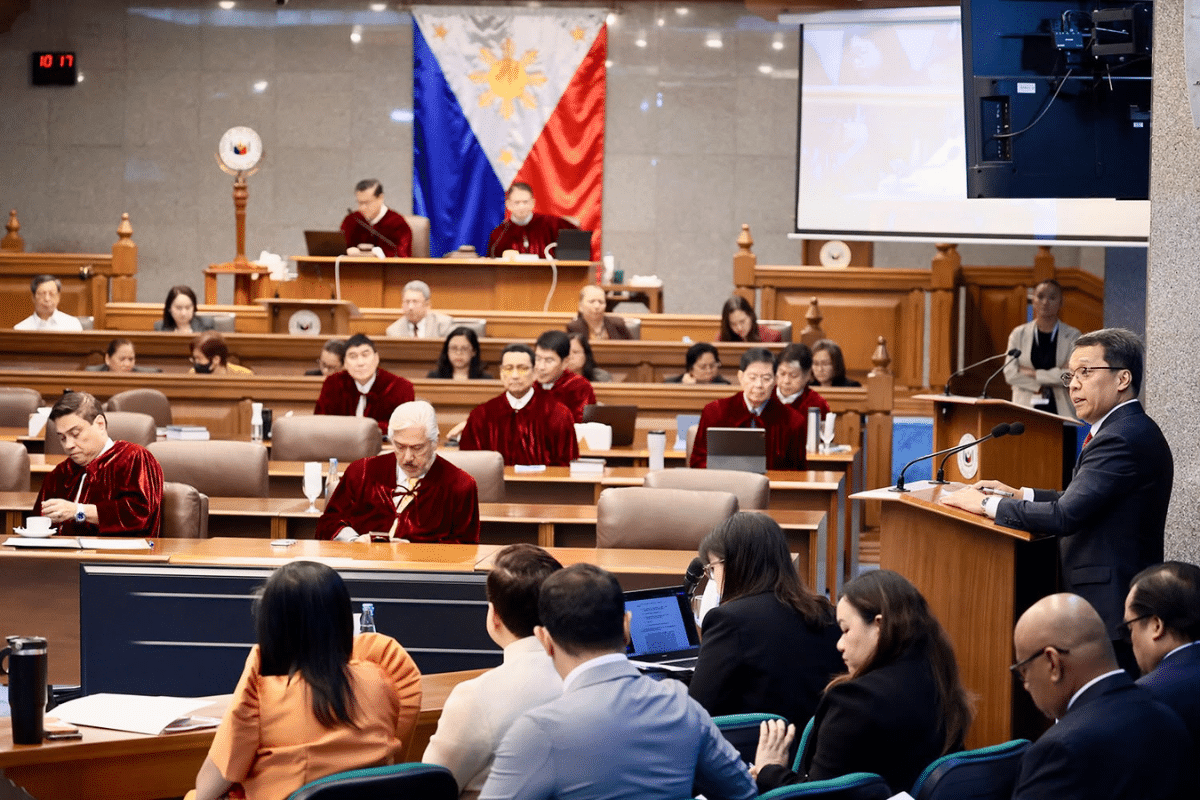
MANILA, Philippines — Akbayan party-list lawmakers, led by Rep. Chel Diokno, have filed a measure seeking to establish a Joint Congressional Commission on Justice System Reform (JUSTCOM) to conduct a sweeping review of the country’s justice system and address chronic problems hounding the judiciary.
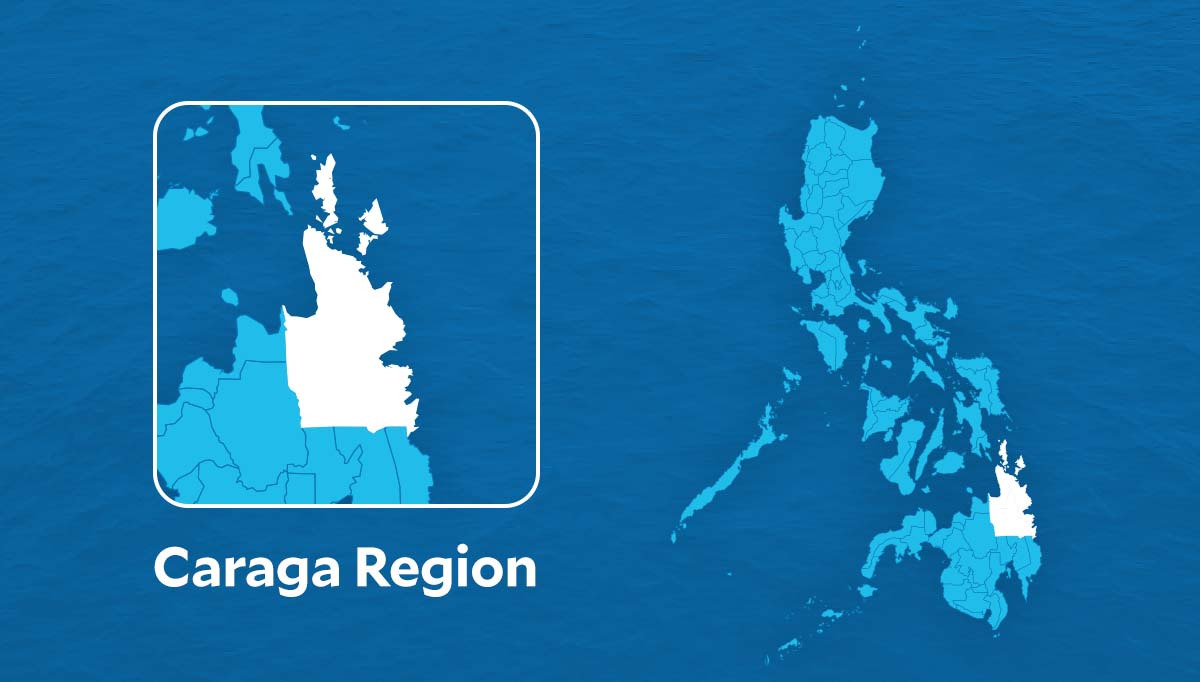
“We need to make our justice system work. Without the necessary reforms, it will continue to remain slow and unequal – and the poor will continue to suffer the most. Cases must move faster than they do now,” Diokno said in House Bill (HB) 7305, which he co-authored with fellow Akbayan party-list Reps. Perci Cendaña and Dadah Kiram Ismula, and Dinagat Islands Rep. Kaka Bag-ao.
HB 7305 aims to address various issues such as case backlogs, prolonged pre-trial detention, jail overcrowding, limited access to legal assistance, weak accountability and declining trust in the justice system – laying the groundwork for long-term structural and legislative reforms
“The government has long neglected the justice system, giving it far less attention than it deserves. This bill is a step toward meaningful reform, ensuring that cases move faster, accountability is strengthened and access to justice is no longer a privilege of the few,” Diokno said.
According to the World Justice Project Rule of Law Index, the Philippines ranked 97th out of 143 countries in 2025, its lowest placement to date and 13th out of 15 in the region, scoring poorest in civil and criminal justice administration.
The commission will be composed of nine members: three senators, three House members and three independent experts from civil society with proven competence in law, criminal justice, public administration, judicial reform or human rights. It will have a three-year mandate to conduct an independent, system-wide assessment covering four pillars: law enforcement, prosecution, corrections and community-based justice.
“This enables policymakers to be at the forefront of identifying and addressing solutions to these deep-seated problems. JUSTCOM’s technical output will directly facilitate the crafting of legislation or congressional inquiries that can address these concerns,” the bill’s explanatory note said.
It will also collaborate with government agencies – including the Philippine National Police, Department of Justice, Office of the Ombudsman, Bureau of Jail Management and Penology, Bureau of Corrections and the Department of Social Welfare and Development – alongside civil society, academe, NGOs and people’s organizations.
It will conduct nationwide consultations, engage stakeholders and access relevant public data to identify structural, procedural and policy bottlenecks that delay case resolution, contribute to detention overcrowding and hinder access to justice for marginalized sectors
Based on its findings, the JUSTCOM will propose concrete, evidence-based policy and legislative reforms to improve accountability, transparency, efficiency and human rights protections. It will submit annual reports and, within 90 days after its three-year mandate, a final report including a National Justice Development Plan and the draft Omnibus Justice Reform Act for immediate congressional consideration.
“Justice delayed is justice denied. With the creation of the JUSTCOM, we have the opportunity to finally build a system that works for all Filipinos – not just for the powerful,” Diokno said.
SC authority over impeachment
Former senate president Franklin Drilon said the House of Representatives has no choice but to follow the Supreme Court’s interpretation of “session days” in impeachment cases, stressing that the high court remains the final arbiter of the Constitution despite concerns over judicial overreach.
In an interview on One News’ “Storycon” yesterday, Drilon said the SC’s recent ruling that voided the impeachment complaint against Vice President Sara Duterte on technical grounds may be contentious, but it carries the force of law.
“We may not agree with the Supreme Court, but they are the interpreters of the Constitution,” he said. “What the Supreme Court says is the law of the land.”
Drilon noted that while many lawmakers believe the Constitution does not expressly define session days as interpreted by the court, disagreement does not provide legal grounds to challenge the ruling. — Mark Ernest Villeza, Daphne Galvez