.png) 2 hours ago
1
2 hours ago
1

Upgrade to High-Speed Internet for only ₱1499/month!
Enjoy up to 100 Mbps fiber broadband, perfect for browsing, streaming, and gaming.
Visit Suniway.ph to learn
Keisha Ta-Asan - The Philippine Star
April 11, 2026 | 12:00am
In January
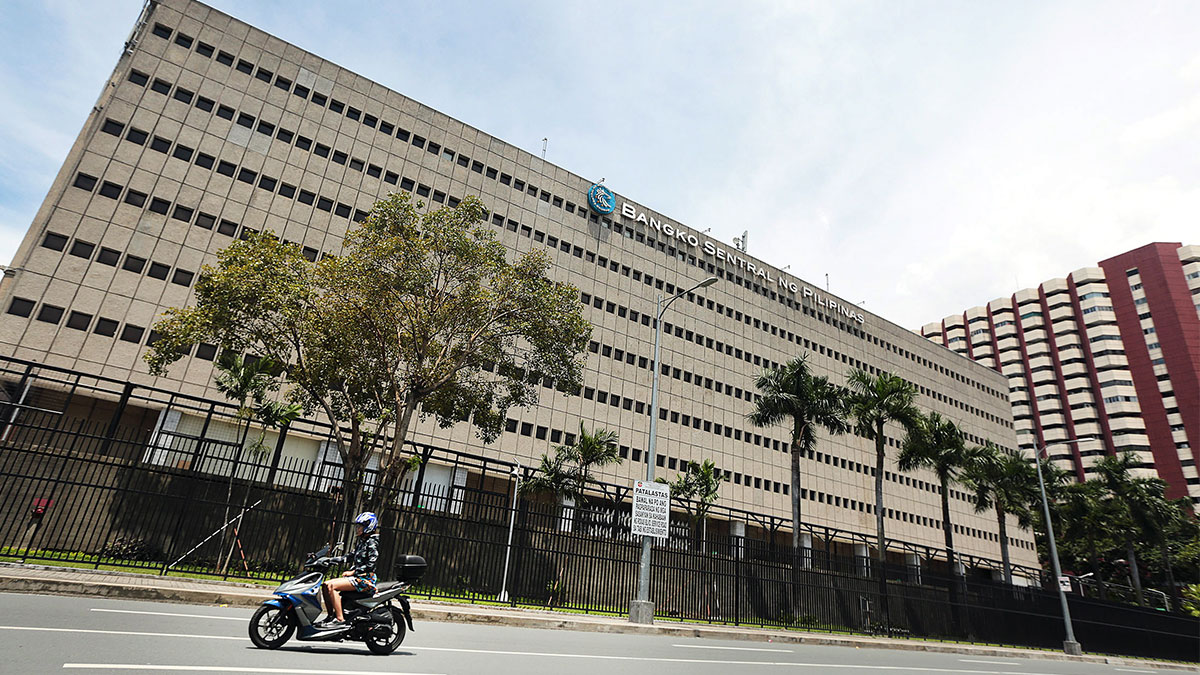
MANILA, Philippines — Foreign direct investments (FDI) into the Philippines fell to a four-month low in January, reflecting cautious investor sentiment amid global uncertainties, the Bangko Sentral ng Pilipinas said.
Data released by the BSP showed that net FDI inflows declined to $443 million in January, down by 39.2 percent from $729 million in the same month last year. The latest figure was also the lowest in four months or since the $316 million recorded in September 2025.
The BSP said the latest outturn “suggests that rising geopolitical risks are weighing on investor sentiment.” The data showed that all major FDI components posted year-on-year declines.
Equity and investment fund shares dropped by 41.1 percent to $123 million from $209 million a year ago.
Equity other than reinvestment of earnings slipped by 20.5 percent to $70 million from $88 million, as placements eased to $93 million while withdrawals increased to $22 million.
Reinvestment of earnings likewise fell sharply by 56.6 percent to $53 million from $122 million, indicating weaker profit retention by foreign firms.
Investments in debt instruments, which largely consist of intercompany borrowings, declined by 38.3 percent to $320 million from $519 million in January 2025.
Japan emerged as the top source of FDI during the month, with inflows largely directed to the manufacturing sector. Other key sources of equity capital placements included the United States and South Korea, while funds were channeled mainly into manufacturing, real estate as well as wholesale and retail trade industries.
Economists said the weaker inflows mirror both global headwinds and short-term volatility in investment activity.
“The weaker FDI inflow in January likely reflects continued investor caution amid elevated geopolitical risks, tight global financial conditions and uncertainty over the global growth outlook, which appear to have weighed on intercompany funding flows,” said UnionBank chief economist Ruben Carlo Asuncion.
“Going forward, the ongoing Middle East tensions add to downside risks for FDI, as they could prolong volatility in energy prices and further dampen investor sentiment, suggesting near-term inflows may remain uneven,” he added.
For his part, Philippine Institute for Development Studies senior research fellow John Paolo Rivera said the decline likely reflects a combination of global and domestic factors.
“Externally, elevated global interest rates, a strong dollar and rising geopolitical uncertainty have made investors more cautious, particularly for emerging markets. This can delay investment decisions or redirect capital to safer assets,” Rivera said.
“On the domestic side, some of the volatility may be due to timing and base effects, as FDI flows tend to be uneven month to month depending on project approvals and fund transfers. It does not necessarily indicate a sustained downturn,” he said.
Rivera said FDI inflows are expected to remain modest but supported by structural drivers such as infrastructure development, economic reforms and supply chain diversification.
“However, risks remain tilted to the downside due to geopolitical tensions, higher energy costs and tighter global financial conditions, which may continue to weigh on investor sentiment,” he added.