.png) 15 hours ago
1
15 hours ago
1

Upgrade to High-Speed Internet for only ₱1499/month!
Enjoy up to 100 Mbps fiber broadband, perfect for browsing, streaming, and gaming.
Visit Suniway.ph to learn
Keisha Ta-Asan - The Philippine Star
August 7, 2026 | 12:00am
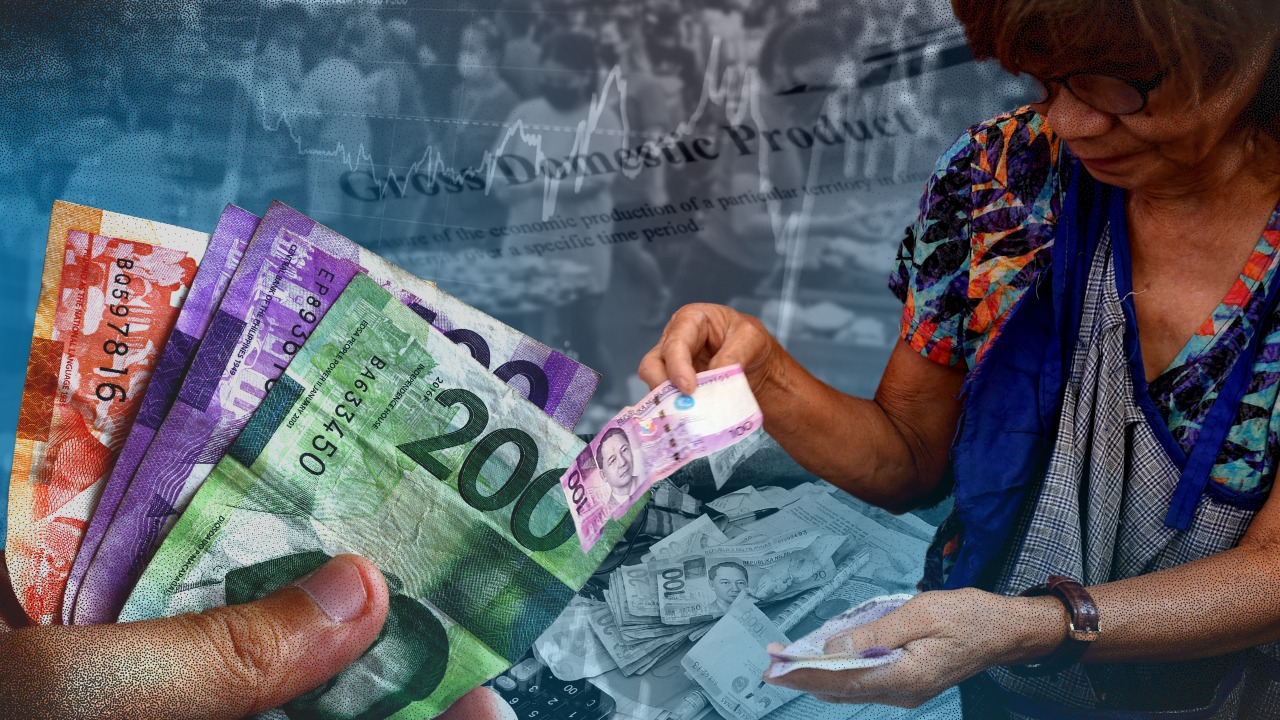
MANILA, Philippines — Inflation is expected to remain elevated in the coming months despite easing for a third straight month in July, keeping pressure on the Bangko Sentral ng Pilipinas (BSP) to further raise interest rates, economists said.
Nomura economists Euben Paracuelles and Nabila Amani said the latest inflation reading is unlikely to change the BSP’s tightening stance, although it supports a gradual approach to further rate increases.
“We reiterate our forecast for BSP to hike by another 50 basis points this year, delivered in 25-basis-point clips over each of the next two meetings, August and October,” they said in a report.
Nomura said the central bank would likely remain concerned about underlying price pressures and upside risks arising from volatile crude oil prices, higher-than-expected wage increases and the prospect of a strong El Niño.
Headline inflation eased to 6.2 percent in July from 6.4 percent in June, marking the third consecutive month of slower price increases after inflation peaked at 7.2 percent in April.
The July print brought the seven-month average to five percent, still above the BSP’s two to four percent target range.
While Nomura believes headline inflation has already peaked, it said underlying price pressures could continue to rise as the effects of earlier energy price increases spread to other goods and services.
Core inflation, which excludes volatile food and energy items, slowed to 4.2 percent in July from 4.4 percent in June. However, Nomura said the decline was largely driven by lower education fees, which could prove temporary.
Other components sensitive to energy costs, including food services, recreation and accommodation, continued to record faster price increases.
BPI lead economist Jun Neri said inflation would likely stay elevated for the rest of 2026, with a gradual moderation possible only in the first half of next year.
The outlook remains vulnerable to geopolitical tensions in the Middle East, which could keep global energy prices high, as well as adverse weather conditions that could disrupt agricultural production and food supply chains.
Rice prices are particularly exposed to El Niño, while recent wage increases could generate second-round effects if companies pass higher labor costs on to consumers.
External developments could also prolong the BSP’s tightening cycle, according to Neri. He said a potential rate increase by the US Federal Reserve could weaken the peso and add to imported inflation, prompting the BSP to respond with another rate hike.
Chinabank Research, meanwhile, offered a less hawkish view, saying the BSP could end its rate-hiking cycle after another adjustment this month.
Chinabank chief economist Domini Velasquez said it was still premature to conclude that inflation was on a sustained downward trend, with price growth expected to accelerate again in the fourth quarter due partly to base effects.
“Despite this extended rebound, we believe the BSP is likely to end its rate-hiking cycle this month, as second-round inflation effects appear to have largely run their course,” she said.
However, Velasquez warned that higher-than-expected minimum wage adjustments and increases in public transport fares could prolong inflationary pressures.
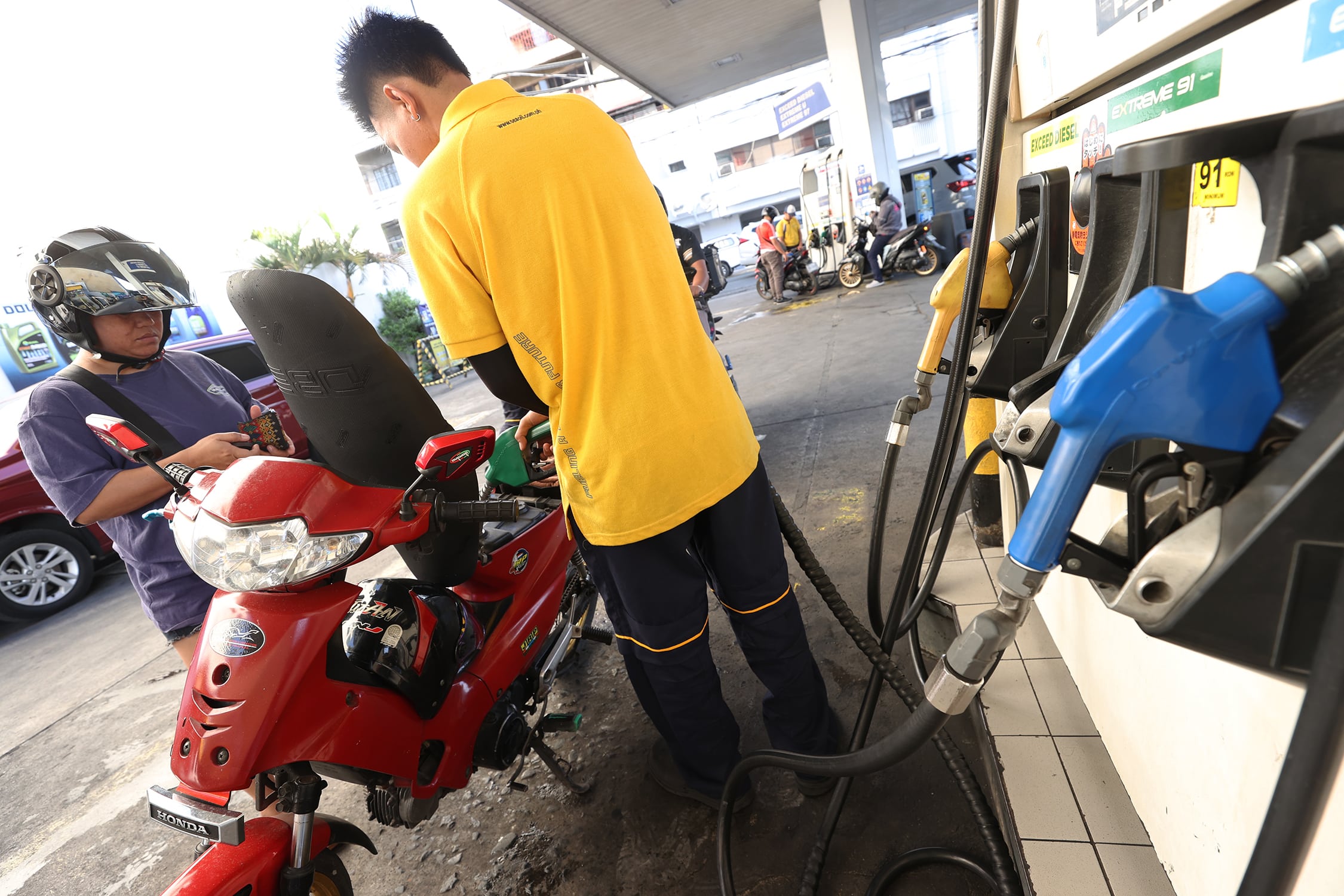
Transport inflation eased to 11.9 percent from 12.8 percent, but renewed tensions between the United States and Iran increased oil price volatility. Pending petitions from transport groups seeking jeepney fare increases of P2 to P10 also pose upside risks.
Electricity inflation accelerated to a three-year high of 16.9 percent. Chinabank said power bills could face additional pressure from a higher feed-in tariff allowance, possible supply constraints during a prolonged El Niño and the recent increase in liquefied petroleum gas prices.
Food inflation was steady at 5.3 percent. Rice inflation climbed to a two-year high of 17.1 percent due to unfavorable base effects, even as rice prices declined on a month-on-month basis.
The increase was offset by a sharper decline in meat prices and slower inflation for vegetables. Still, Chinabank said rice would remain a key risk because of its large weight in the consumer price basket and its vulnerability to weather-related supply disruptions.