 5 months ago
70
5 months ago
70

Upgrade to High-Speed Internet for only ₱1499/month!
Enjoy up to 100 Mbps fiber broadband, perfect for browsing, streaming, and gaming.
Visit Suniway.ph to learn
Aubrey Rose Inosante - The Philippine Star
April 11, 2026 | 12:00am
In its Revenue Memorandum Circular issued on April 8, the BIR said that cancer patients will benefit most, with 702 medicines now covered in the VAT exemption program.
AFP
MANILA, Philippines — The government has expanded its list of medicines exempt from value-added tax (VAT) to more than 2,263 drugs, with cancer treatments making up the largest share, according to a circular issued by the Bureau of Internal Revenue (BIR).
In its Revenue Memorandum Circular issued on April 8, the BIR said that cancer patients will benefit most, with 702 medicines now covered in the VAT exemption program.
Hypertension drugs came in second with 535 medicines granted with VAT relief, while 327 diabetes medicines are also included.
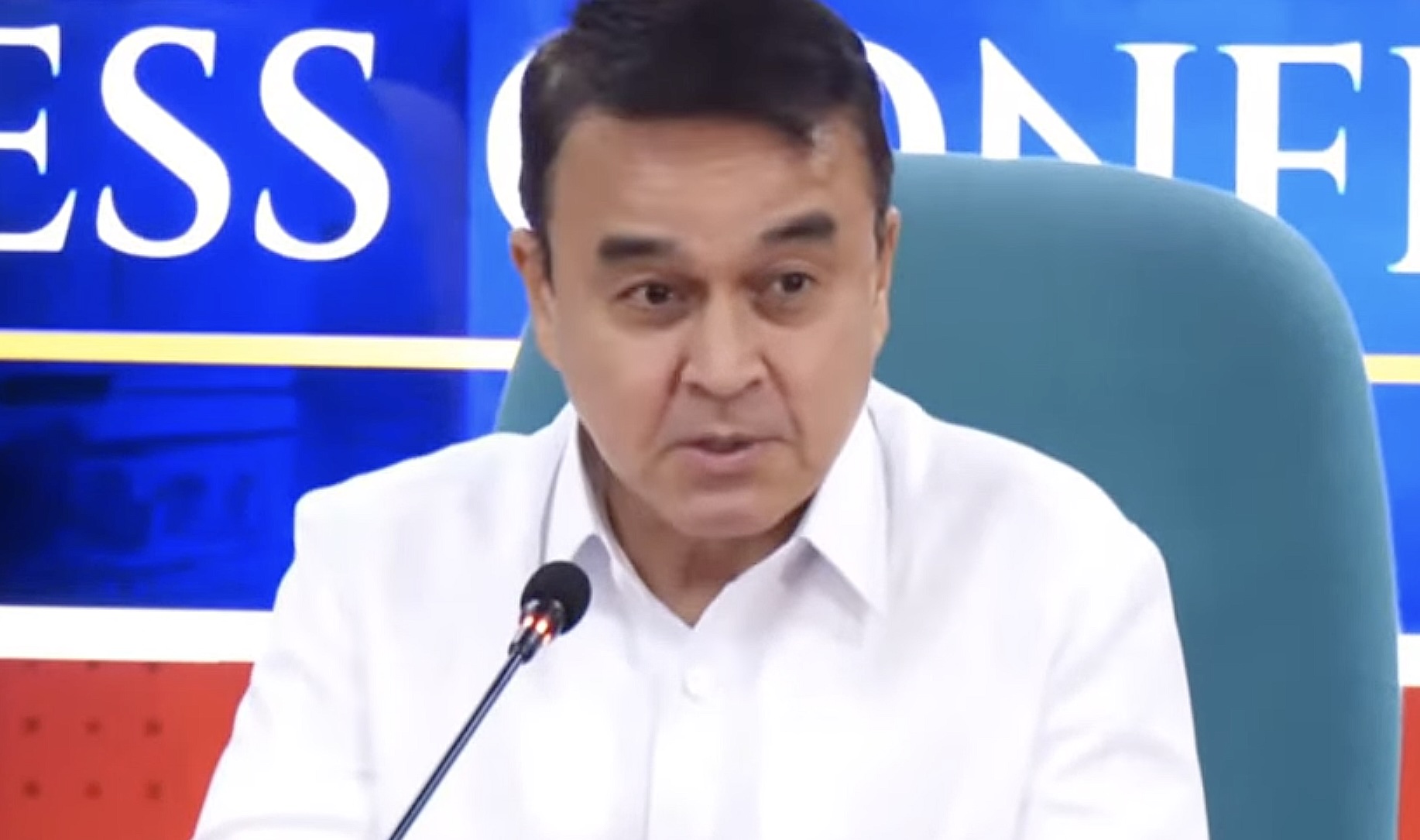
BIR Commissioner Charlito Mendoza said the list was endorsed by the Food and Drug Administration (FDA) of the Department of Health (DOH) and reflects an updated number of VAT-exempted drugs under the TRAIN Law and CREATE Act.
“This is the updated list of VAT-exempt drugs insofar as the above-mentioned illnesses are concerned. Hence, previous Revenue Memorandum Circulars issued are hereby superseded until new updates are endorsed by the FDA,” Mendoza said.
Other medicines granted VAT-free treatment include 300 drugs for mental illness, where experts noted that the country is seeing increased awareness despite persistent stigma, but support remains scarce.
Data from the World Health Organization showed that the Philippines had one of the highest rates of depression in 2017, affecting 3.3 million Filipinos. The WHO projects that by 2030, depression will become the leading contributor to the global burden of disease.
The VAT-exempt list also covers 171 medicines for high cholesterol and 152 treatments for kidney disease, expanding the range of affordable essential medications for patients. Meanwhile, 76 drugs are exempted from VAT for illnesses related to tuberculosis.
According to the local statistics agency, the leading causes of death in the country in the nine months of 2025 were ischemic heart diseases, neoplasms or tumors, cerebrovascular diseases, pneumonia and diabetes.
No price hike for meds
There will be no increase in prices of medicines until June, the DOH said yesterday.
Health Secretary Ted Herbosa said that at a recent meeting with pharmaceutical companies, they assured him that there will be no increase yet in drug prices.
“The pharmaceutical companies promised there will be no increase. The medicines don’t pass through the Strait of Hormuz… But this will just be until June,” said Herbosa who was guest at the Kapihan sa Manila Hotel.
“It seems the inventory of our pharma industry is like a three-month inventory and when they order, they said the supplier will have to increase because that is logistics – so whether through plane or ship, they will spend for higher fuel costs,” he added.
The DOH chief pointed out that right now, there is no problem with supply of medicines.
“There is no problem with the price, we have good inventory. Our problem is what happens to the price if the companies abroad start charging for the transport. Most of the medicines are not affected by the products of petroleum. It will be affected by how you ship it,” Herbosa said.
He added that the DOH is continuously monitoring the prices of medicines.
“The suppliers, the drug stores and the patients they submit to us the prices and we publish that. You can look that on the egov PH app. There is a drug price watch in the app so if you are taking medicines, you can check there the nearest drug store or the medicines that are most affordable,” he added.
Under the Cheaper Medicines Act, the DOH, the Department of Trade and Industry and Department of the Interior and Local Government are mandated to monitor drug prices of common medicines sold either retail or wholesale. — Rhodina Villanueva