 6 months ago
80
6 months ago
80

Upgrade to High-Speed Internet for only ₱1499/month!
Enjoy up to 100 Mbps fiber broadband, perfect for browsing, streaming, and gaming.
Visit Suniway.ph to learn
Cristina Chi - Philstar.com
March 25, 2026 | 2:07pm
MANILA, Philippines — The House justice committee opened its first evidentiary hearing on Wednesday, March 25 without Vice President Sara Duterte and her lawyers and swiftly moved to secure key records that would make or break the impeachment case against her.
In the lead-up to the first impeachment hearing today, Duterte's counsel, lawyers from Fortun Narvasa & Salazar, had sent a letter challenging the proceedings as unconstitutional and arguing they were tantamount to an actual trial.
A statement by the vice president issued today echoed the objection, saying an unjust "mini-trial" awaited her.
But the lawmakers ultimately brushed aside the objection and stressed the proceedings were not a trial but a preliminary step to determine whether there is probable cause to impeach Duterte.
“This is not a full-blown trial. This is a clarificatory hearing for the purpose of determining probable cause,” said Rep. Gerville Luistro (Batangas, 2nd District) chair of the House justice committee.
The hearing opens a more consequential phase of the impeachment process, one where the committee receives actual evidence, compels testimony, and determines whether there is probable cause to send Duterte to a Senate trial that could remove her from office and bar her from running in 2028.
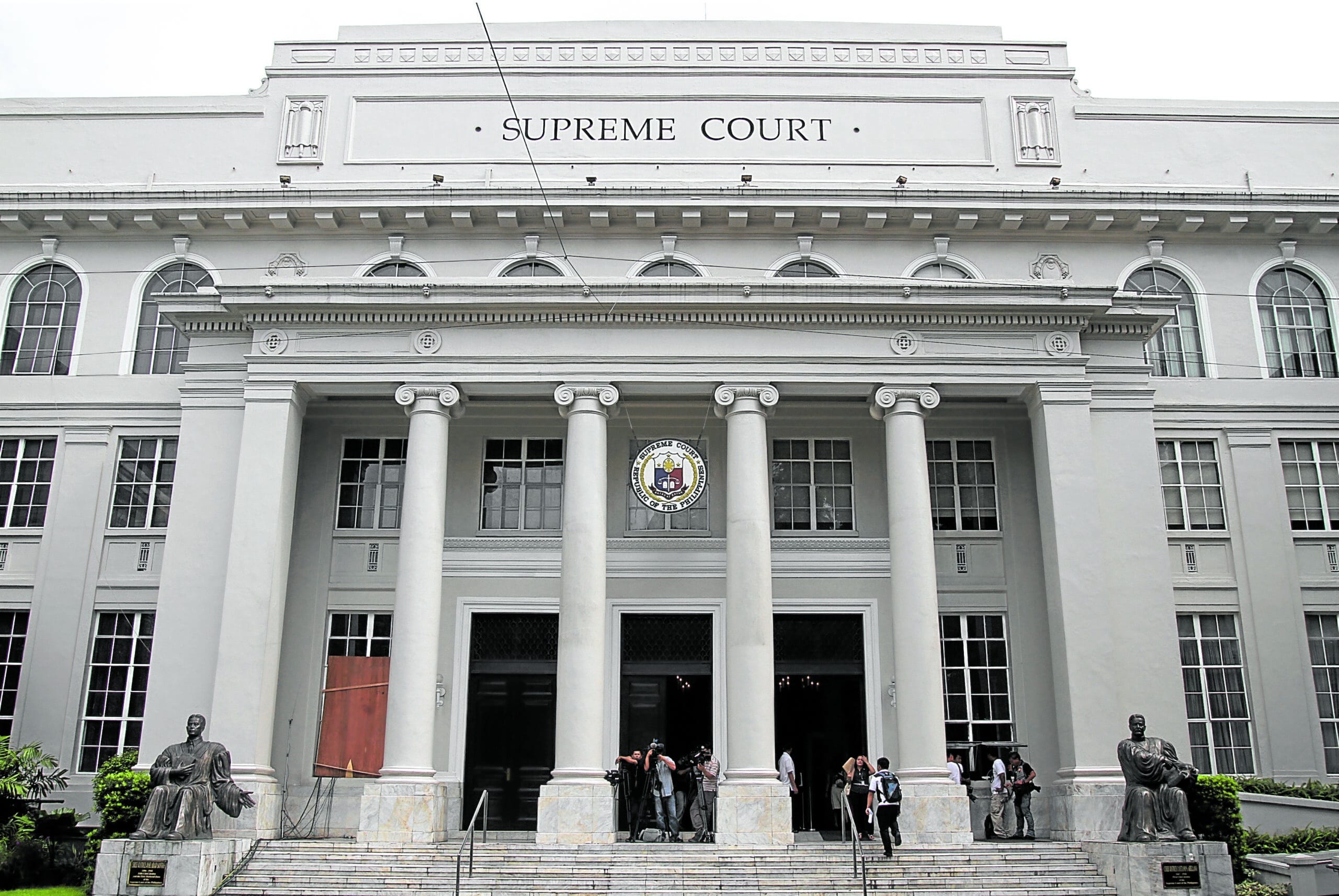
It is also the phase where the committee can least afford to make mistakes. The House's first impeachment of Duterte in February 2025, when over 200 lawmakers bypassed committee hearings entirely, was unanimously struck down by the Supreme Court for violating due process and the one-year bar rule.
That history appeared to be in the backdrop during Wednesday's hearing, where lawmakers spent nearly as much time clarifying the rights of Duterte's absent lawyers and the vice president herself as they did acting on motions against her.
Duterte, who has announced a 2028 presidential run, faces two complaints alleging misuse of millions in confidential funds, unexplained wealth, and threats against the president and his family. Duterte's camp has called the proceedings a "fishing expedition."
What is a mini trial?
The term "mini-trial" was originally used by Luistro herself informally in media interviews in the weeks before the hearing to describe the evidentiary stage of the proceedings.
Duterte's camp latched onto the characterization, arguing in the counsel letter and OVP statement that the committee was overstepping its constitutional mandate by conducting what amounted to a trial.
Rep. Terry Ridon (Bicol Saro party-list) called the argument "a legal word salad" — a justification and attempt by Duterte, he said, to dodge accountability. Rep. Renee Co (Kabataan Partylist) said the use of the term was "irresponsible" and meant to "muddy legal concepts" to manufacture a reason not to appear.
Luistro clarified on the record that "mini-trial" had only been used to distinguish the committee hearing from the Senate trial, and carried no legal effect on the nature of the proceedings.
Protecting due process
The committee devoted a significant portion of the first part of the hearing to debating how Duterte's lawyers could participate even though none of them were present.
Rep. Rufus Rodriguez (Cagayan de Oro, 2nd Ditstrict) argued that Duterte's constitutional right to be heard entitled her lawyers to directly cross-examine witnesses. He called the proceedings so serious as to be seen as a criminal case, "[...] because we are trying to remove the official who had the highest votes in the history of this country as vice president."
Lawmakers including Rep. Joel Chua (Manila, 3rd District) disagreed with this. Under the committee's own rules, only panel members may examine and cross-examine witnesses, which is consistent, he said, with how preliminary investigations work in the Philippine legal system.
"In the entire Philippines, it has never happened—not once—that a cross-examination occurred during a preliminary investigation, or that the counsel and the complainant were given an opportunity to cross-examine," Chua said in mixed English and Filipino.
The panel settled on amended ground rules, adopted from a motion by Rep. Chel Diokno (Akbayan) without objection, that allow counsel on both sides to participate in three ways: assisting their client, submitting questions through the chairperson, and filing manifestations or memoranda. Lawyers may not address the committee directly unless recognized by the chair.
Diokno proposed the amendment, saying it would insulate the proceedings from any future legal challenge that the committee had denied the right to counsel.
'Disrespect'
De Lima then pressed the secretariat to confirm on the record that Duterte had been properly notified. The secretariat reported that invitations were emailed on March 19 and acknowledged the same day by both the OVP and the firm Fortun Narvasa & Salazar.
But Duterte did not formally communicate her non-appearance to the panel, De Lima noted.
Instead, the vice president issued a public statement on the same day of the hearing, calling on the committee to dismiss the complaints "for clear lack of evidence."
The only filing the committee received was the letter from her counsel, which the secretariat said did not categorically state whether the lawyers themselves would attend.
"It's very unfortunate that the respondent herself is disrespecting the proceedings of the committee," De Lima said. "She should have at the very least manifested formally that she will not be appearing before this committee rather than just issuing statements before the media."
What's next
The panel approved motions to compel the production of key documents. It approved, with one objection, a motion to subpoena the Office of the Ombudsman to produce Duterte's statements of assets, liabilities, and net worth (SALN) spanning her years in public office.
The panel has 60 session days from February 23 to submit a report to the House plenary. If it finds probable cause, a one-third vote in plenary would send articles of impeachment to the Senate, where a two-thirds vote is needed to convict.
Subsequent hearings are set for April 14, 22, and 29, with the committee authorized to continue proceedings through the congressional recess running until May 3.