.png) 1 week ago
10
1 week ago
10

Upgrade to High-Speed Internet for only ₱1499/month!
Enjoy up to 100 Mbps fiber broadband, perfect for browsing, streaming, and gaming.
Visit Suniway.ph to learn
Keisha Ta-Asan - The Philippine Star
May 7, 2026 | 12:00am
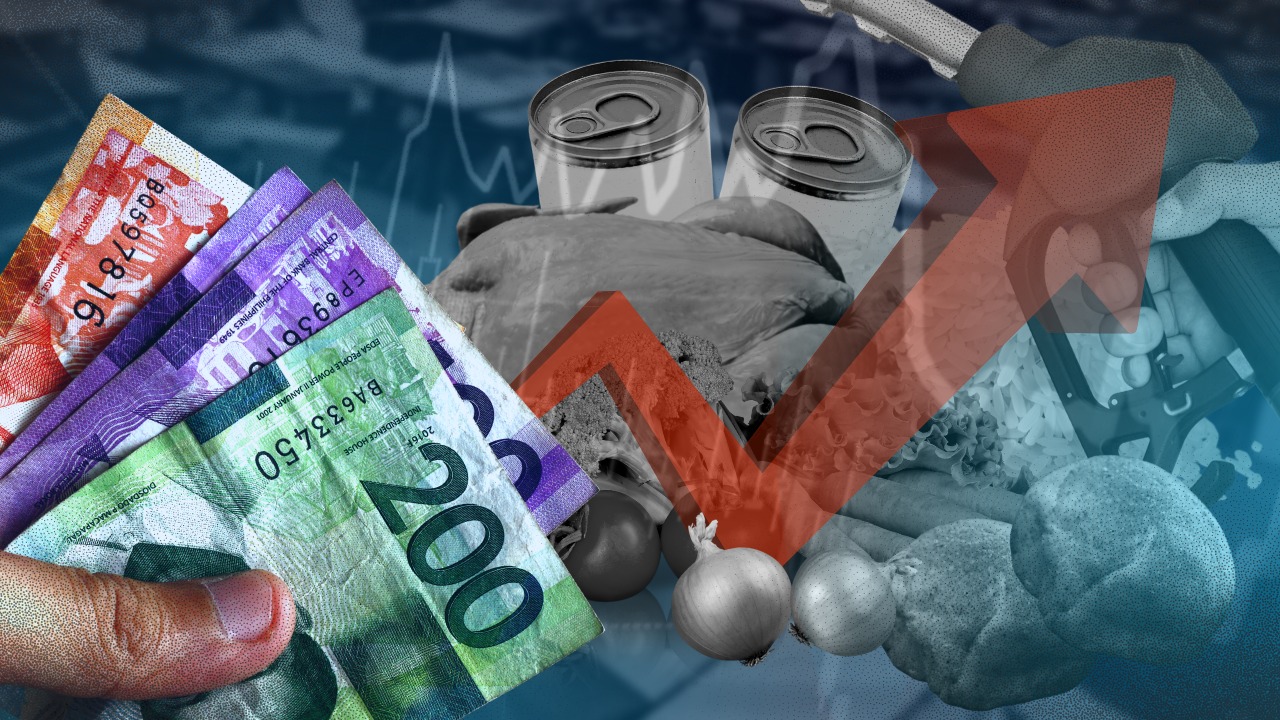
Economists said the bigger concern is no longer just the sharp increase in pump prices, but the speed at which higher diesel, transport and logistics costs are being passed on to food and other goods.
STAR / File
MANILA, Philippines — The April inflation shock may be an early sign that the fuel price surge is already spreading into food, logistics and other consumer costs, raising the risk of more persistent inflation even if oil prices ease in the coming months, analysts said.
Economists said the bigger concern is no longer just the sharp increase in pump prices, but the speed at which higher diesel, transport and logistics costs are being passed on to food and other goods.
Citi said the April inflation surprise came mostly from food as higher diesel prices quickly pushed up logistics and delivery costs.
“The sharper diesel price increase so far versus during the 2022 energy shock likely quickened the second round effects on food, via logistics costs,” Citi said.
Headline inflation surged to 7.2 percent in April from 4.1 percent in March, exceeding the Bangko Sentral ng Pilipinas (BSP)’s forecast range of 5.6 to 6.4 percent for the month. It was also higher than market expectations.
Citi said oil prices might stay elevated for longer due to continued drawdowns in global inventories, although prices could peak this month or within the quarter.
“Hence even though the surge in Philippine fuel prices could begin to reverse in coming months as conflict resolution eventually falls in sight, the second round inflation effects probably will continue creeping through,” Citi said.
The bank added that the peso’s depreciation could add further price pressure through higher import costs, while a possible El Niño later this year could worsen food inflation.
Citi raised its inflation forecast for the Philippines to 7.3 percent for 2026 from 5.7 percent previously. It also increased its 2027 inflation projection to 4.6 percent from 3.7 percent.
Jonathan Ravelas, senior adviser at Reyes Tacandong & Co., said the April print was “a clear shock, not just market noise.”
“It’s being driven by higher food and transport costs, so this is cost-push inflation that directly squeezes households,” Ravelas said. “For the BSP, this sharply limits any room for easing and shifts policy back into defensive mode.”
Ravelas said an off-cycle meeting is not his base case, but it is now on the table if the inflation spike broadens further or starts to affect inflation expectations and the peso.
Philippine Institute for Development Studies senior research fellow John Paolo Rivera likewise said the April inflation print suggests that price pressures are no longer confined to energy.
“This is a significant and concerning acceleration suggesting that price pressures are no longer limited to energy but are becoming more broad-based, particularly with food and transport driving the surge,” Rivera said.
He said the sharper inflation print raises the risk of second-round effects, where higher costs feed into wages and other prices.
“For the BSP, this strengthens the case for a more cautious and possibly tighter policy stance,” Rivera said.
Rivera said an off-cycle move remains possible but is not the base case, as the BSP typically prefers to act during scheduled meetings unless there is clear evidence of disorderly market conditions or unanchored inflation expectations.
“The key now is whether this spike proves temporary or becomes sustained,” he said.
Citi now expects the BSP to deliver three more 25-basis-point rate hikes this year, including a likely off-cycle increase in May, followed by hikes in June and August. This would bring the terminal policy rate to 5.25 percent.
However, Citi said a larger 50-basis-point hike remains a risk rather than its baseline forecast.
It said the BSP may avoid overly aggressive moves given the uncertain nature of the shock and the need to balance inflation risks against weaker growth.