.png) 2 weeks ago
13
2 weeks ago
13

Upgrade to High-Speed Internet for only ₱1499/month!
Enjoy up to 100 Mbps fiber broadband, perfect for browsing, streaming, and gaming.
Visit Suniway.ph to learn
Philstar.com
March 13, 2026 | 3:03pm
A man checks the wrecakge after an Israeli air strike in the southern Beirut suburb of Haret Hreik on March 2, 2026.
AFP
Nearly two weeks into the conflict in Iran, economic impacts started to gradually impact Asian and global markets. The blockade of the Strait of Hormuz posed significant challenge in oil prices, inflation, energy rates, and overall investment appetite.
The British Chamber of Commerce Philippines Executive Vice Chairman Chris Nelson noted that despite uncertainties, the Philippines remains at an advantageous position and must strategize on diversifying trade and take appropriate contingency measures brought by the conflict in the Middle East.
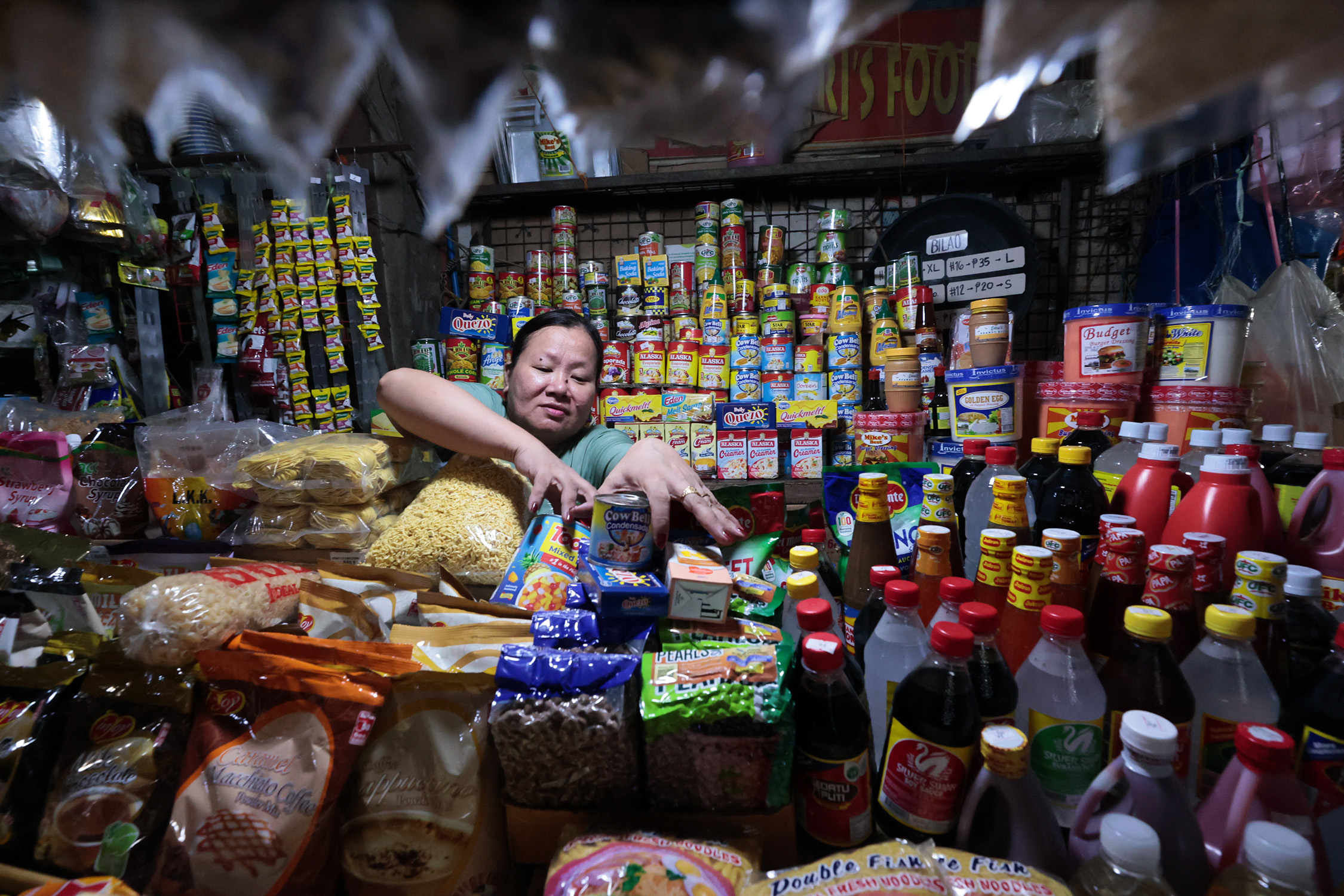
The upward trend in headline inflation at 2.4% in February 2026 was marked by faster increases in housing, electricity, fuel, food and non-alcoholic beverage, and accommodation services. Similarly, food inflation also accelerated to 1.6% in the same period from 0.7%.
Nelson said in an interview that, “I would say that what is happening now is going to make companies more cautious. The other thing, of course, is the inflationary impact, which everybody's been talking about…In the UK, they were looking at reducing interest rates. And if we switch to the Philippines, clearly the Bangko Sentral, has been cutting interest rates. But of course, now they understandably will have to be cautious looking at inflationary impact. And of course, we have to look at what is going to happen to the peso.”
The Bangko Sentral ng Pilipinas Governor Eli Remolona recently said that the continued rise of crude oil prices may trigger an increase in the policy monetary rate which is now currently at 4.25%.
Remolona noted that, "In peso terms, the price of oil is 10 percent higher than before; 10 percent is still manageable. If it goes up 50 percent, then that's something we have to deal with strongly. That's the threshold, at that price of oil, the price will begin to have effects on the prices of many commodities, and it tends to be something we have to worry about when it comes to inflation.”
The Department of Economy, Planning and Development (DEPDev) Secretary Arsenio Balisacan also noted that inflation may accelerate to over 7% if the conflict in the Middle East continues to escalate. Meanwhile, remittances may also decelerate up to 65% should there be a total deployment ban and repatriation of Overseas Filipino Workers (OFWs).
Nelson pointed out that despite market volatility, the Philippines is set to become an attractive market for British investors, citing opportunities in the agricultural sector that could assist in managing inflationary pressures.
He said, “The UK is not the largest exporter to the Philippines, but we have certainly helped in terms of food supply and assisting with inflation, which may become more important with inflation hitting a high of 2.4%. Considering that this is before any factoring of oil prices. In that context, we'd like to urge a continued issuing of the Minimum Access Volume to ensure imports continue to flow in. We work with the Department of Agriculture and we also obviously have been in contact with all the MAV committee members.”
The Minimum Access Volume (MAV) is a commitment to the World Trade Organization provided to commodities entering at a lower in-quota tariff rate.
The British Chamber continues to support government efforts in expanding market access and further liberalizing trade, particularly under the Executive Order 62, which mandated the extension of lowered tariff rates for agricultural commodities until 2028.
The British Chamber noted that these mechanisms would enhance the Philippines’ resilience to global market uncertainties.
Disclaimer: This is externally supplied material from a third party and is not a product of reporting or editorial work by the Philstar.com newsroom.