.png) 2 weeks ago
9

Upgrade to High-Speed Internet for only ₱1499/month!
Enjoy up to 100 Mbps fiber broadband, perfect for browsing, streaming, and gaming.
Visit Suniway.ph to learn
Keisha Ta-Asan - The Philippine Star
October 24, 2026 | 12:00am
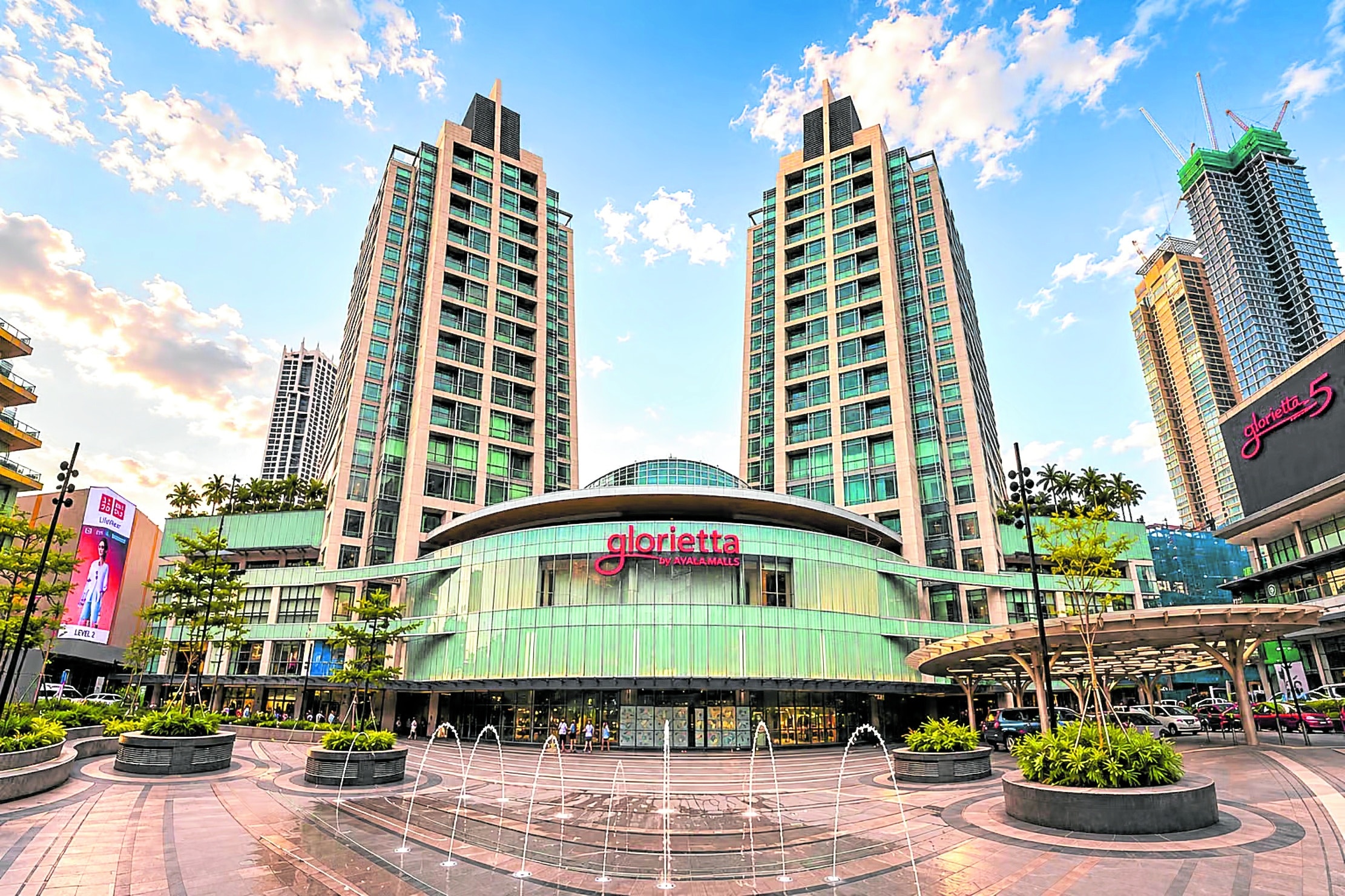
Photo shows the skyline at the Ortigas Business Center in Pasig.
STAR / File
MANILA, Philippines —Infrastructure investment in the Philippines is expected to remain at around four percent of gross domestic product (GDP) through 2027 even as delayed public works projects resume, according to Japan Credit Rating Agency (JCR).
In its latest issuer report, the Japanese debt watcher projected infrastructure investment at 4.2 percent of GDP in 2026 and four percent in 2027. This would remain below the 4.7 percent or P1.32 trillion recorded in 2025 and the 5.8 percent seen in both 2023 and 2024.
Infrastructure investment covers spending on long-term public facilities and systems that support economic activity. Weak project implementation has weighed on construction, private investment and overall economic growth.
JCR attributed the slowdown to tighter scrutiny of Department of Public Works and Highways projects and payment procedures following irregularities in flood control projects.
The government has since strengthened project planning, budget allocation, procurement, construction verification and payments. JCR expects public infrastructure spending to recover in the second half as agencies use previously allocated budgets and reviewed projects resume.
“The economy is currently slowing due to a decline in the pace of public works projects and a drop in consumption caused by rising crude oil prices,” JCR said.
Economic growth slowed to 4.4 percent in 2025 and further eased to 2.6 percent in the first half of 2026 as public investment remained sluggish and elevated inflation weakened household spending. JCR expects full-year growth to settle in the mid-three-percent range before picking up over the medium term.
The report also provided further analysis supporting JCR’s decision on Aug. 28 to retain the Philippines’ A- investment-grade credit rating with a stable outlook. A sovereign credit rating reflects an agency’s assessment of a government’s capacity to repay its obligations.
JCR said progress in raising per capita income, upgrading industries, expanding domestic employment and sustaining infrastructure investment could support the rating. In contrast, any reversal in fiscal reforms would be a negative factor.
Meanwhile, the Bangko Sentral ng Pilipinas (BSP) welcomed JCR’s assessment that the country remained resilient to external shocks.
“JCR’s recognition of the country’s strong external buffers reflects confidence in the Philippine economy’s ability to weather global headwinds, including those arising from the Middle East conflict,” BSP Governor Eli Remolona Jr. said.
The country’s foreign exchange reserves, its stockpile of foreign currency assets and other reserve holdings, stood at $99.5 billion at end-September. The amount was enough to cover 6.2 months of imports and other external payments and was equivalent to 3.1 times the country’s short-term foreign debt falling due within a year.
“The BSP will continue to manage the country’s foreign exchange reserves prudently to help safeguard economic stability,” Remolona said.
JCR said the country’s external position was also supported by remittances and business process outsourcing revenues.
The debt watcher also noted that more than 60 percent of Philippine exports to the United States remained exempt from additional tariffs, while 23 free trade agreements in force or under negotiation helped diversify the country’s export markets.
Latest