6 months ago
74
6 months ago
74

Upgrade to High-Speed Internet for only ₱1499/month!
Enjoy up to 100 Mbps fiber broadband, perfect for browsing, streaming, and gaming.
Visit Suniway.ph to learn
Ghio Ong - The Philippine Star
March 24, 2026 | 12:00am
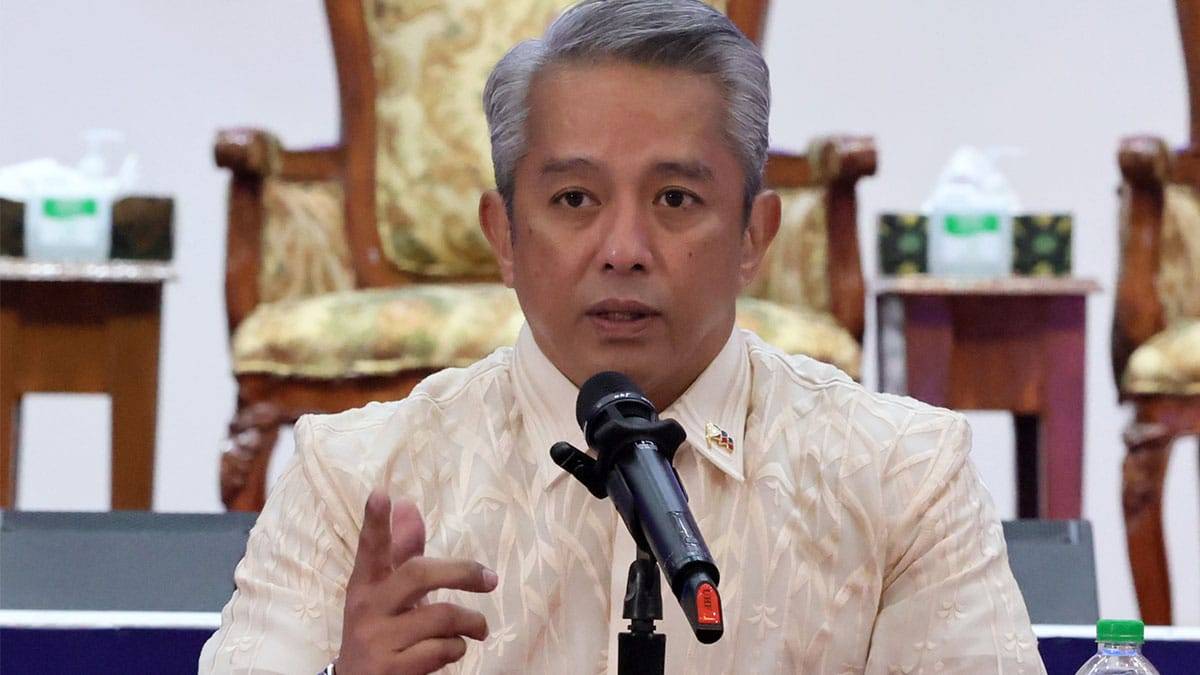
Senators Rodante Marcoleta address the media during a press conference held at the Senate in Pasay City on January 20, 2026.
STAR / Ryan Baldemor
MANILA, Philippines — Election lawyer Romulo Macalintal slammed the decision of the Commission on Elections (Comelec) to clear Sen. Rodante Marcoleta of the complaints against him for not disclosing P75 million worth of donations during his Senate campaign.
Recently, the poll body’s Political Finance and Affairs Department declared it would end its fact-finding probe, saying there was no evidence to charge him with an election-related offense since the requirement of disclosing election contributions in his statement of contributions and expenditures under the Omnibus Election Code has been repealed.
Marcoleta argued that the amount was donated to him before he was declared a candidate, citing past jurisprudence.
However, the Comelec unit recommended filing complaints against Marcoleta’s donors – Michael Tan Defensor, Joseph Varias Espiritu and Aristotle Baluyut Viray – for their failure to submit reports of their contributions within 30 days after the election.
In his statement on March 22, Macalintal said the Comelec’s decision was “truly one for the books.”
If Marcoleta’s argument would be followed, “no candidate existed at the time the money changed hands (and) Marcoleta was not yet a candidate because the campaign period had not yet commenced,” as the Comelec cited Section 99 of the Omnibus Election Code in ruling against the donors, according to Macalintal.
“If the donation was given when Marcoleta was not yet a ‘candidate,’ how can Section 99 be applied to the donors? If Marcoleta was not a candidate when he took the money, then the money was not an ‘election contribution’ – it was practically a private gift. For logic will tell us that we cannot have a ‘donor to a candidate’ if there is no ‘candidate’ to begin with,” read a portion of his statement.
Macalintal asserted: “Section 99 cannot be selectively applied to the donors when the recipient does not meet the very definition of a ‘candidate’ required by that same law.”