 4 months ago
44
4 months ago
44

Upgrade to High-Speed Internet for only ₱1499/month!
Enjoy up to 100 Mbps fiber broadband, perfect for browsing, streaming, and gaming.
Visit Suniway.ph to learn
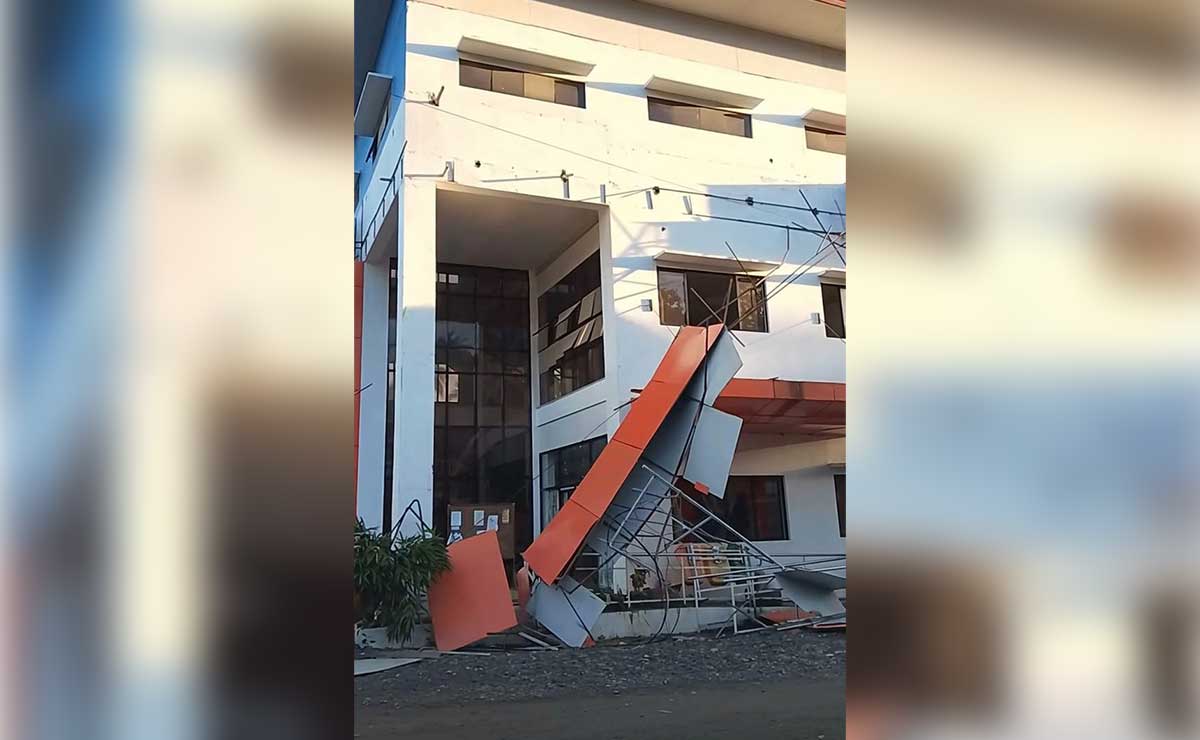
An armed senate security stands guard at the entrance of the senate building in Manila on May 12, 2026, after gunshots were heard inside the building.
AFP / Ted Aljibe
MANILA, Philippines — For the Philippine National Police, a warning shot is not a warning.
Police Brigadier General Alan Manibog, deputy director of the PNP Directorate for Operations, said the PNP manual is categorical in its prohibition of warning shots.
"As to warning shots, it is strictly written in the provisions of the [PNP Operational Procedures] that the use of warning shots is not allowed in any instance or circumstance. So we do not use warning shots," Manibog said in an interview with Radyo Pilipinas on Saturday, May 16.
Manibog said police procedure requires a different response, since warning shots are riskier.
"It is because delikado iyon. It can create more danger," he said. "So we would rather use another approach, like megaphones or verbal commands."
The remarks came after acting Senate Sergeant-at-Arms Mao Aplasca, a retired police general, admitted firing first during the May 13 incident at the Senate after National Bureau of Investigation personnel were detected nearby.

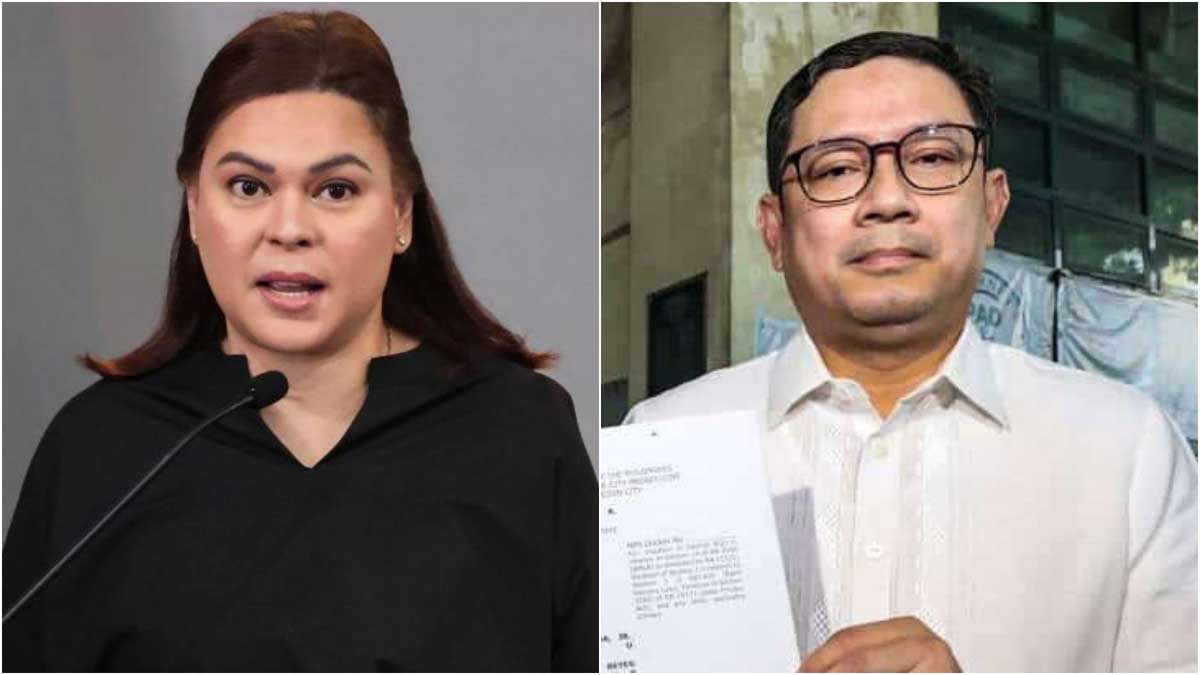
Police Brigadier General Alan Manibog in October 2025 and acting Senate Sergeant-at-Arms Mao Aplasca on May 14, 2026.
PNP ARMM; Philstar.com / Ian Laqui
The incident occurred while on lockdown after Sen. Bato dela Rosa claimed his arrest was imminent. Gunshots later rang out, mostly from Senate security. Officials later disputed what triggered the confrontation. No casualties were reported, but Dela Rosa was able to slip out before dawn amid the chaos.
Possible charges
Police Brigadier General Randulf Tuaño, the PNP spokesperson, said anyone who fires outside protocol may face complaints for indiscriminate firing or alarm and scandal.
Manibog, however, spoke only on PNP rules and said he could not determine whether the same circumstances applied in the Senate incident. He said the threshold for firing a weapon is narrow.
"The use of firearms can be made only when there is an imminent threat upon oneself, or in self-defense, or in defense of a stranger," Manibog said.
Asked whether the presence of a long firearm would be enough, Manibog said the danger must be clear.
"If there's an imminent threat, kung klaro na sa atin na may delikado sa buhay mo, puwede kang mamatay, puwede kang masaktan, o puwedeng masaktan ang kasama mo, then we can use our firearms," he said.