.png) 1 week ago
8
1 week ago
8

Upgrade to High-Speed Internet for only ₱1499/month!
Enjoy up to 100 Mbps fiber broadband, perfect for browsing, streaming, and gaming.
Visit Suniway.ph to learn
With the Israel-US war against Iran now in its fourth week, a prolonged disruption scenario for the Philippines feared by economists now seems to be unfolding — unless US President Donald Trump makes a declaration soon that America has met its “objectives” and that it will stop its military attacks on Iran, and Iran, in turn, likewise decides to discontinue its counter-attack of drones and missiles to its Gulf Cooperation Council or GCC neighbors.
Economists fear that with a prolonged disruption from the Middle East conflict, the Philippine economy will post a weaker first half gross domestic product growth this year, with the country facing a heavier economic adjustment burden due to its high energy import-to-GDP ratios.
In this potential adverse scenario, Philippine equities are projected to trend lower toward a bear case target of 5,500.
However, based on what I have been monitoring from international news reports, the warring nations are still preparing for further military strikes against each other, as other countries — particularly the United Kingdom — is slowly being drawn into the conflict with its decision to allow the US to launch some of its military aircraft from UK bases.
Iran, in fact, international news agencies reported, deployed a missile to the US and UK’s Diego Garcia base, although the missile did not reach its target.
Iran is not expected to easily let the US walk away from the conflict, especially since Iran has proven that it holds the more powerful trump card of the Strait of Hormuz and still has an arsenal of drones and missiles that has brought havoc and some disruption to its wealthier Gulf State neighbors.
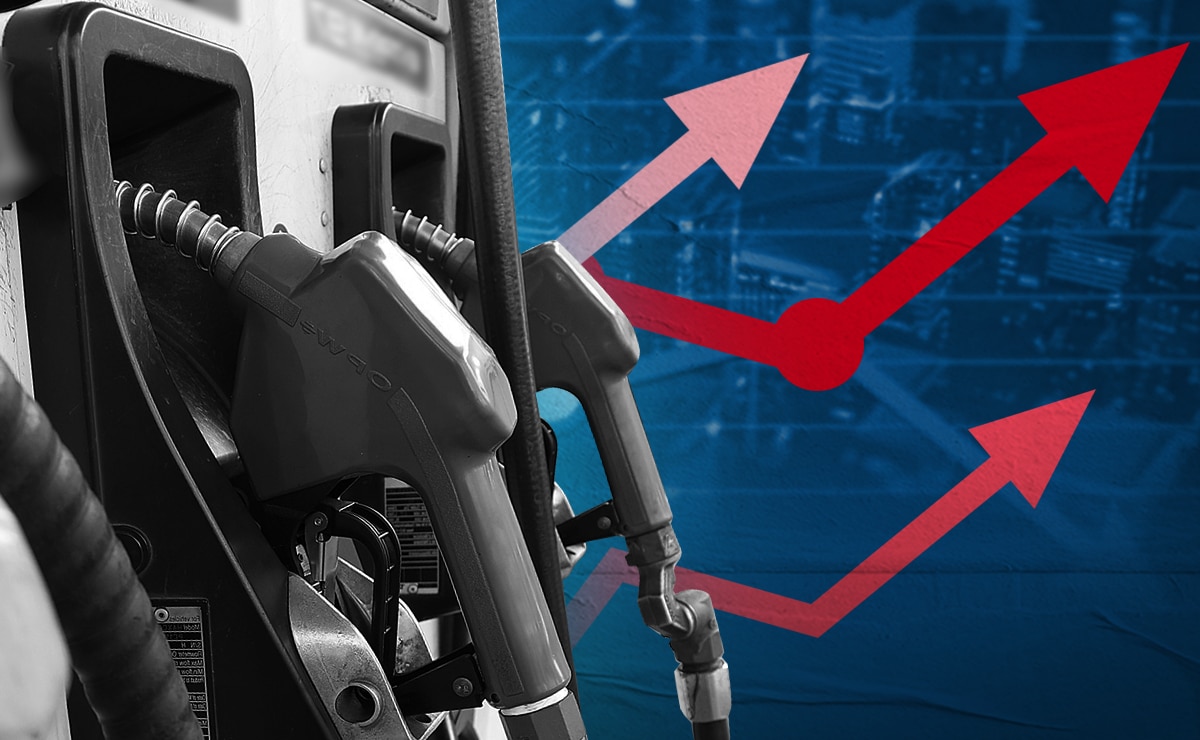
Brent crude oil spot price has already breached $115 per barrel (bbl) and forward two-year oil prices have also risen, meaning that even if the conflict ended today, the effect of higher energy prices would already linger for the next couple of years.
Even prices for liquefied natural gas or LNG have shot up following Iran’s strike on Qatar’s LNG production facilities that has effectively reduced production by 17 percent and, according to oil industry analysts, would take anywhere from three to five years to restore to production levels before the current conflict started.
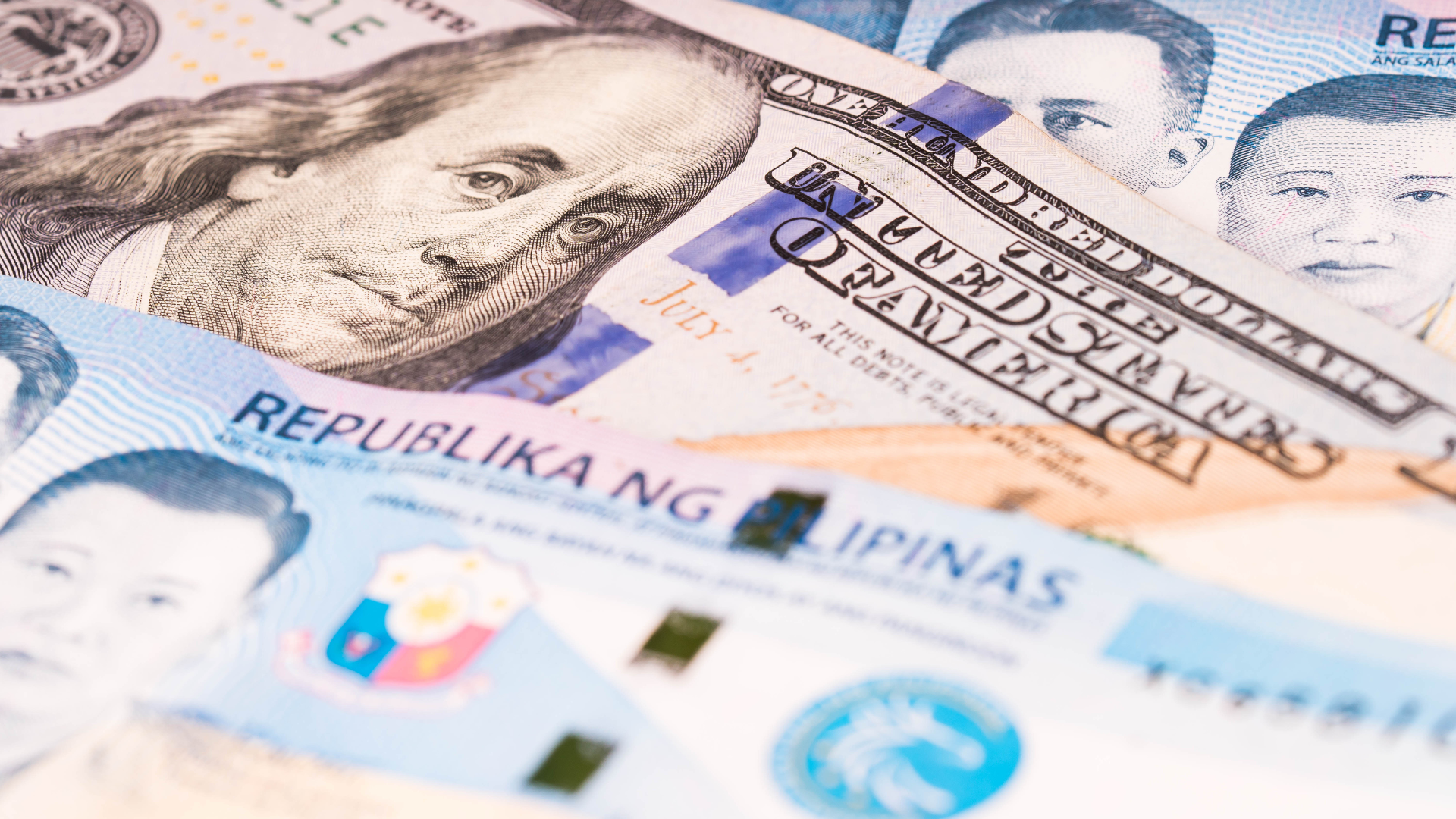
Although the Asian region is far from the conflict zone, the negative impact of the Middle East turmoil is keenly being felt here, with the Philippines likely to be badly scarred due to our heavy dependence on imported oil, as well as its impact on our overseas Filipino workers in the region whose remittances help prop up our economy.
In a briefing last March 9, economists at First Metro Securities Brokerage Corp. had pointed out that the Middle East conflict that started on Feb. 28 poses risks to the country due to our reliance on remittances from our OFWs who benefit from continued employment in the region.
A prolonged conflict, it was pointed out, raises the risks of reduced working hours or delayed wages, higher living costs in host countries, and possible repatriation or job displacement.
Apart from the loss of remittances, the conflict would also affect the growth of the Philippine economy due to energy import bill shock, with higher oil/LNG prices acting like a tax on the economy. It would also worsen net exports and drain the purchasing power of Filipinos.
It is also projected that there will be cost-push pressure on firms as higher fuel, power and logistics costs compress margins. Capital expenditure decisions are likely to be delayed amid uncertainty.
Household real income would also be squeezed, and that resulting inflation also erodes consumption, especially for energy- and food-heavy baskets. If inflation persists, it would likely delay rate cuts, thus leading to tighter financial conditions.
The economists warned that “the Philippines is especially vulnerable to oil price shocks. Duration and damage to critical infrastructure are pivotal. Should the situation persist, we anticipate weaker GDP growth for the first half of 2026, with the Philippines facing a heavier economic adjustment burden due to its high energy import-to-GDP ratios. In this potential adverse scenario, we expect Philippine equities to trend lower toward our bear case target of 5,500.”
Two weeks ago, the economists were still sticking to their mid-term scenario of a “transitory supply shock, but with scars,” projecting Brent at an average of $85 to $100/bbl in the near term. Our concern is heightened as marine activity through the Strait of Hormuz remains severely constrained, and attacks on critical infrastructure and tankers have intensified. Should these disruptions persist, the risk profile escalates to Scenario 3 — “Prolonged disruption; logistics issue to full-scale supply shock, where Brent oil prices could spike to $100 to $150/bbl. At those levels, demand destruction would ensue and result in broader economic disruption.”
“As highlighted in our client briefing last March 9, 2026, the Philippines is especially vulnerable to oil price shocks. Duration and damage to critical infrastructure are pivotal. Should the situation persist, we anticipate weaker GDP growth for 1H26, with the Philippines facing a heavier economic adjustment burden due to its high energy import-to-GDP ratios. In this potential adverse scenario, we expect Philippine equities to trend lower toward our bear case target of 5,500.
Scenario 3 outlines a prolonged disruption — from logistics issues to full-scale supply shock. It assumes that war-risk insurance is withdrawn, not just repriced; tanker flows are curtailed true supply loss; Brent crude trades at $100 to $150/bbl until demand destruction occurs; inflation spikes and stays elevated; growth deteriorates faster than inflation falls; BSP faces a sequencing problem, which means near term: cuts priced out and later: pivot toward growth support; peso weakens on wider trade deficits and risk aversion.