 9 months ago
127
9 months ago
127

Upgrade to High-Speed Internet for only ₱1499/month!
Enjoy up to 100 Mbps fiber broadband, perfect for browsing, streaming, and gaming.
Visit Suniway.ph to learn
Marc Jayson Cayabyab - The Philippine Star
December 20, 2025 | 12:00am
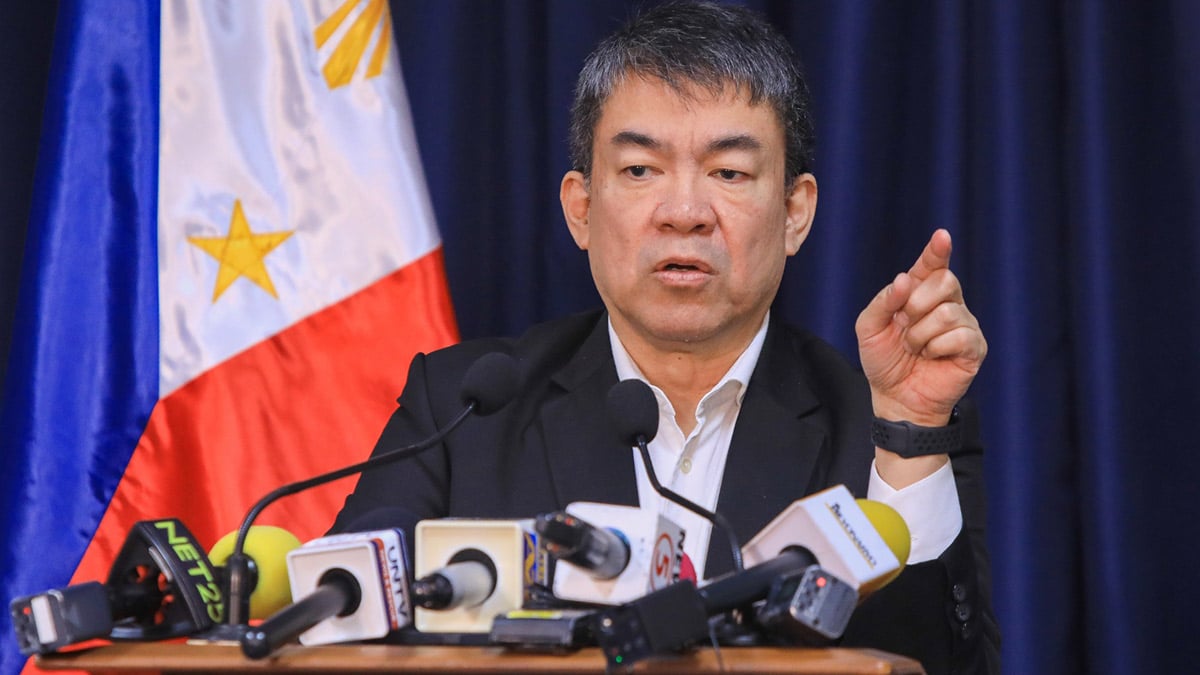
MANILA, Philippines — Senate President Vicente Sotto III defended the bicameral conference committee’s decision to boost financial assistance under the Department of Health (DOH) and Department of Social Welfare and Development (DSWD) budgets, insisting that safeguards are in place to prevent misuse by “epal” politicians.
At a Zoom briefing yesterday, Sotto emphasized that the proposed budget includes provisions barring lawmakers or their representatives from participating in or influencing cash aid distribution.
He explained that the DOH’s Medical Assistance to Indigent and Financially Incapacitated Patients (MAIFIP) and the DSWD’s Assistance to Individuals in Crisis Situations (AICS) are designed to directly support beneficiaries and help decongest government hospitals.
Critics describe the politicized aid as “soft” pork barrel.
“I suggest critics review the provisions carefully instead of immediately criticizing. Look at how MAIFIP is structured,” Sotto said.
Under the revised plan, MAIFIP funds will be downloaded directly to hospitals, eliminating the need for patients to secure “guarantee letters” or rely on politicians for assistance.
“Senators or congressmen may still endorse patients if they wish, but it is no longer necessary. The funds go directly to hospitals for medical assistance,” Sotto added.
He maintained that the increased aid is a temporary measure to provide immediate support while government hospitals continue to be upgraded.
“Private hospitals are more expensive than government facilities, so we need this medical assistance to fulfill universal health care and zero-balance billing goals,” he said.
In budget negotiations, Malacañang proposed P24.2 billion for MAIFIP, which the House increased to P49.2 billion. The Senate proposed P28.4 billion, and the bicameral committee ultimately agreed on P51.6 billion.
For DSWD’s AICS, Malacañang suggested P27 billion, the House raised it to P59 billion and the Senate recommended P34.5 billion. The final bicameral allocation reached P63.8 billion.
‘MAIFIP redundant’
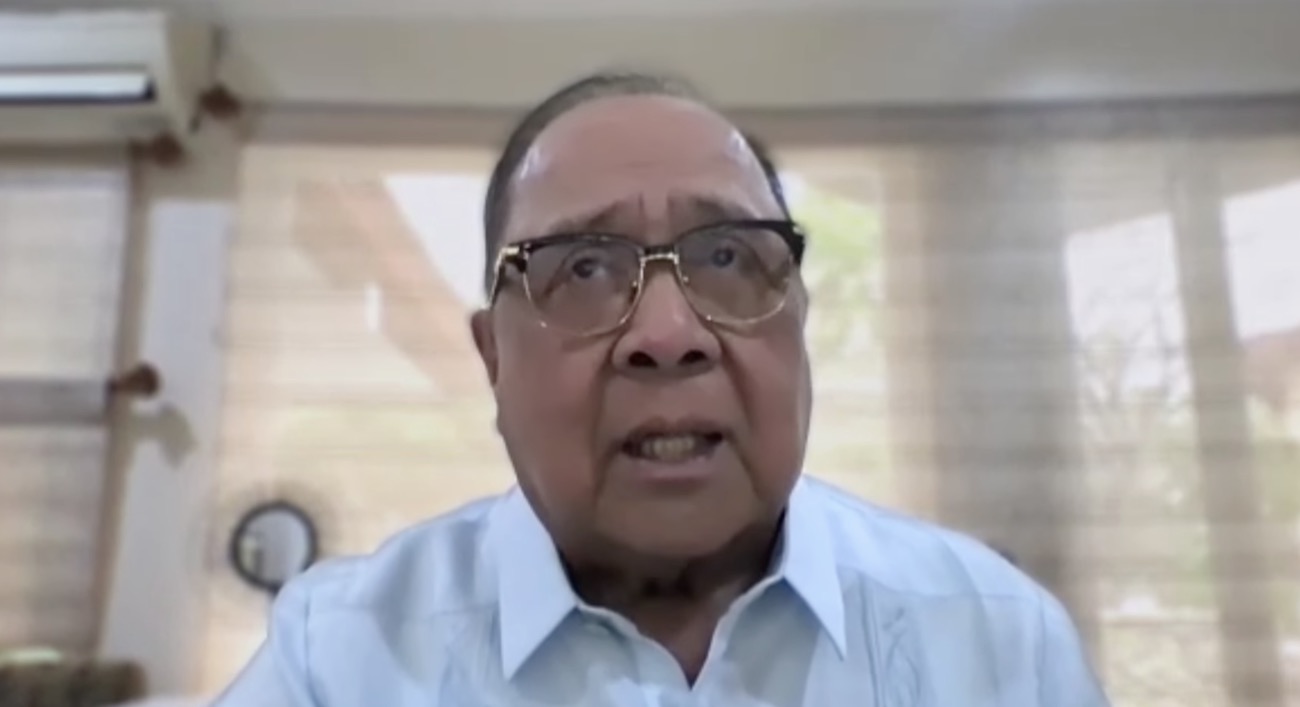
Despite the government’s justification, independent health reform advocate Tony Leachon continued to urge President Marcos to abolish MAIFIP and redirect its funds to the Philippine Health Insurance Corp. (PhilHealth).
Arguing that the program duplicates the role of the state insurer, Leachon warned that maintaining two parallel funding streams – PhilHealth and MAIFIP – creates inefficiencies, confusion and opportunities for mismanagement.
“The most meaningful Christmas gift to the Filipino people would be a clear directive to abolish MAIFIP and reallocate its funds to PhilHealth, the sole institution legally empowered to protect every Filipino from financial hardship due to illness,” he said.
According to Leachon, the coexistence of MAIFIP alongside PhilHealth weakens the very institution tasked with delivering universal health care (UHC).
Leachon also recalled past disruptions to PhilHealth’s resources, such as the P60 billion impounded and transferred to the national treasury in 2024 and later restored by the Supreme Court.
For 2026, PhilHealth is set to operate with P53 billion, plus the returned P60 billion and an additional P16 billion from the bicameral conference, totaling P130 billion.
Despite this, he said, PhilHealth continues to be sidelined in favor of a parallel program that fragments health financing.
With this, he called on the President to ensure that the health care budget is coherent, transparent and fully aligned with universal health care goals, stressing that channeling resources through PhilHealth would strengthen the system rather than dilute it.
“The Filipino people deserve a health system that is coherent, transparent and aligned with the UHC vision. Only you can restore coherence to the budget and reaffirm the government’s commitment to UHC,” Leachon said.
No holiday break
Meanwhile, Malacañang announced that President Marcos and executive officials will forgo the holiday break to review and sign the proposed P6.793-trillion 2026 national budget before year-end.
Presidential Communications Undersecretary Claire Castro said the President wants to ensure that the spending bill is thoroughly scrutinized and aligned with the administration’s people-centered priorities.
“Initially, the President expected an earlier submission of the enrolled bill. In this case, he will make sure to carefully study and sign the 2026 national budget before the end of the year,” Castro said. “If they need to pull an overnighter, they’ll do that.”
She said Marcos would examine provisions already studied by Congress, ensuring that the budget remains humane and transparent.
The bicameral conference committee is scheduled to approve the 2026 national budget on Dec. 28, with separate ratification by the House and Senate on Dec. 29 before submission to Malacañang. — Rhodina Villanueva, Ghio Ong, Helen Flores