1 month ago
25
1 month ago
25

Upgrade to High-Speed Internet for only ₱1499/month!
Enjoy up to 100 Mbps fiber broadband, perfect for browsing, streaming, and gaming.
Visit Suniway.ph to learn
Ube jams, the ube ‘aesthetic’, ube in cocktails, and the future for ube
Hey trendsetters,
Starchy, sweet, and visually striking. When was the last time you saw ube? Did you know that the Philippines is home to a wide variety?
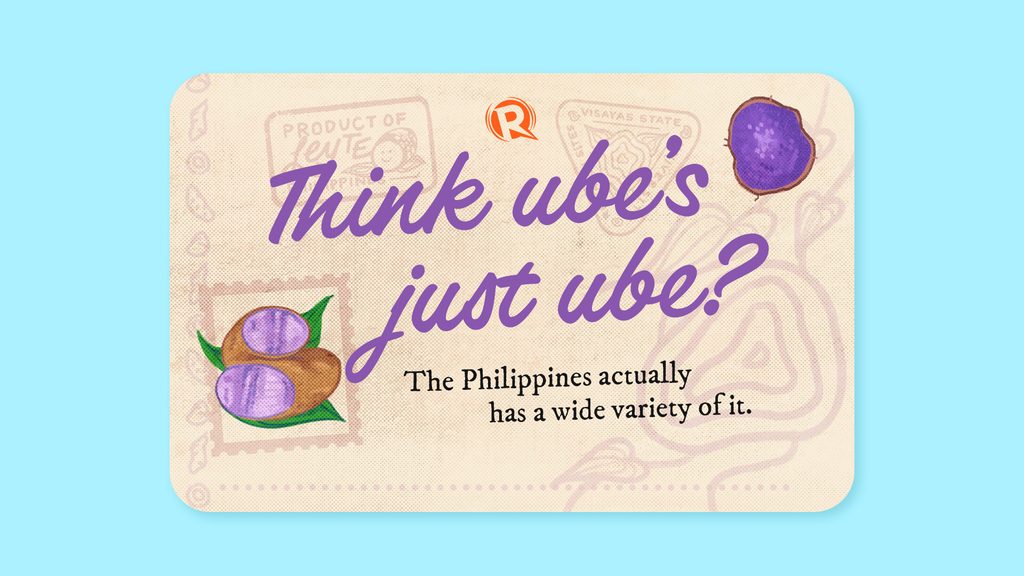
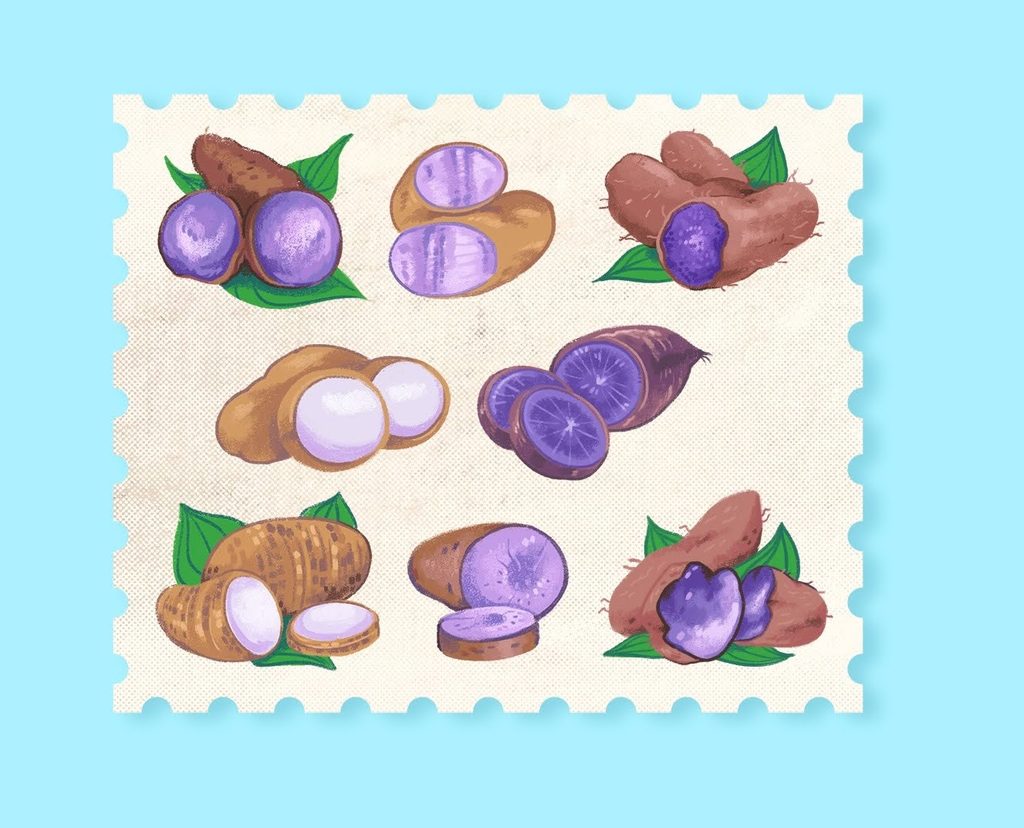
Have you ever heard of Zambal, the ever-adaptive and reliable ube from Zambales? What about Sampero, which you’ve probably tasted in the latest ube dessert you’ve tried? It turns out that we’ll never run out of ways to know ube, as our country is home to multiple varieties of the purple yam.
🔗 See our ube obsession through this interactive guide
Apart from being a fiesta staple or your barkada’s Baguio trip pasalubong (ube jam, anyone?), ube has taken more forms beyond food — nail colors, perfume, and even luxury makeup, among others.
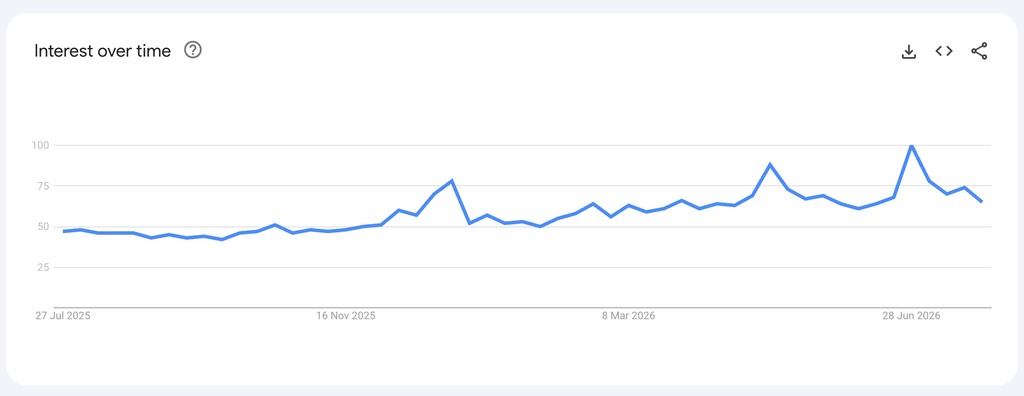
To describe ube as omnipresent is an understatement. In case you didn’t doomscroll enough, ube — or “tuber” in Filipino — has become one of the world’s recent darlings online. On Google Trends, the keyword “ube” has hit multiple breakout results in the past year globally.
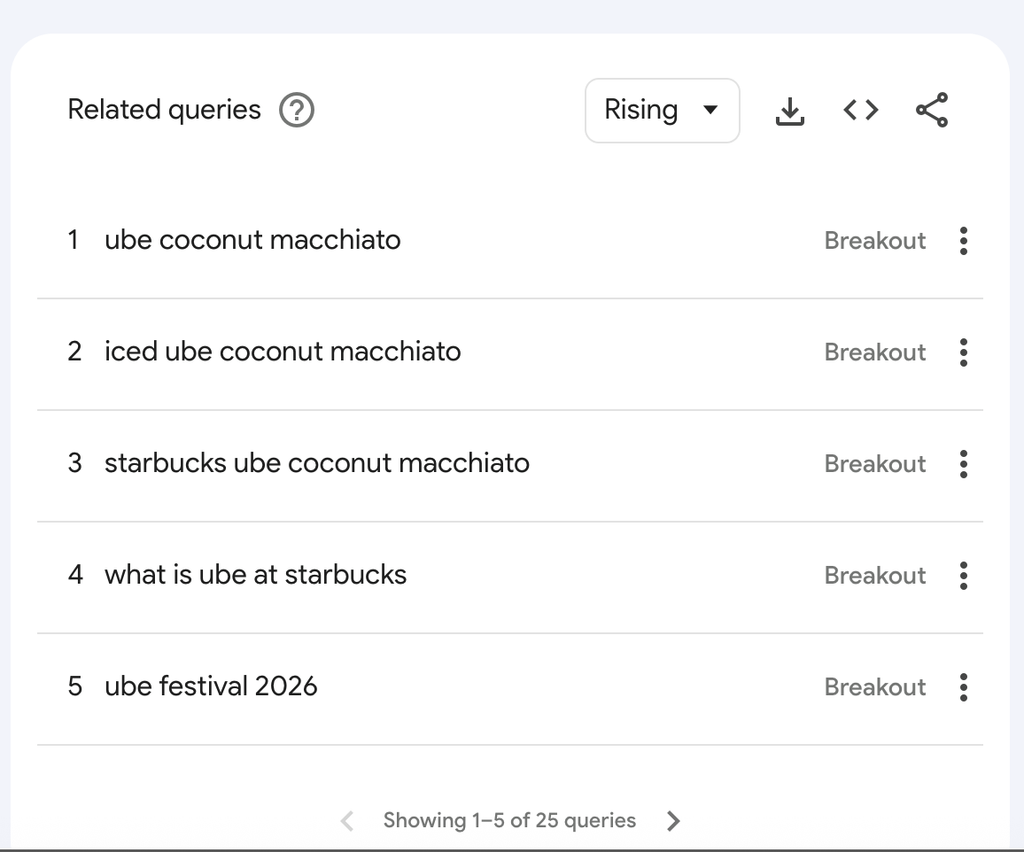 Source: Google Trends
Meanwhile, in the Philippines, there’s also been an upward trend during the second half of 2026 because of a recent pop culture renaissance — SexBomb Girls, the group behind the song “Halukay Ube.”
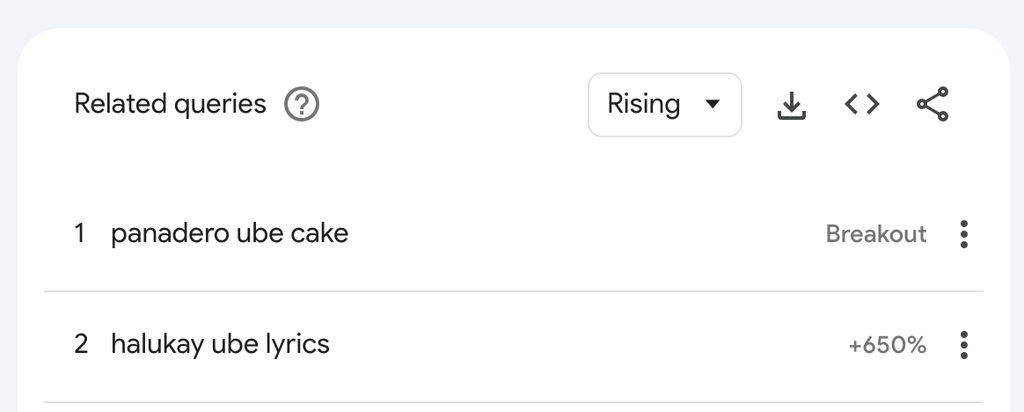 Source: Google Trends
By now, the purple yam native to the Philippines has even seeped into menus from miles away.
A new bombshell has entered the (culinary) villa. This year, behemoth coffee chains Starbucks (Iced Ube Coconut Latte and Ube Vanilla range) and Costa (Sweet Ube Frappe) have introduced their own spin of ube drinks. The Guardian reported that apart from coffee shops in the UK, bars have become obvious testaments to ube’s established popularity. In the US, ube has grown 231% on their menus in the past four years, according to Datassential.
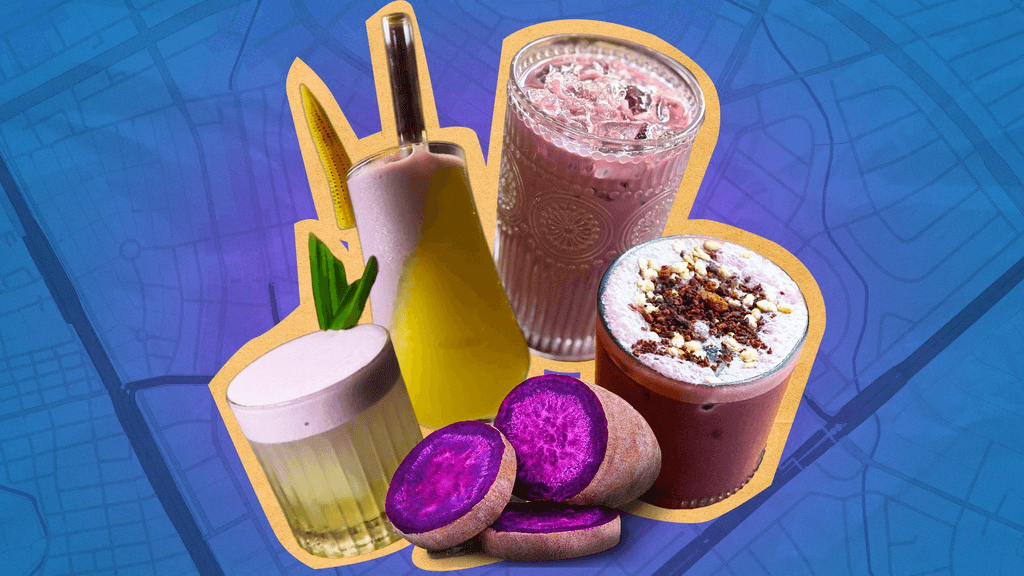
Locally, ube as a flavor has taken so many forms. Here’s a playful roster of cafes that made ube drinks for you to try from day until night. From ube halaya combined with coconut water to ube for cocktail enjoyers, the menu will make you want to rummage through your own city for the ube-st drinks, too!
🔗 Watch (and read) our cafe-hopping guide for our quest to find the ube-st drinks in Makati
The chronically online’s fixation
Although this isn’t the first time that ube landed in Western consciousness, its craze has never been more intense than now. And it might have something to do with its visual appeal.
Everyone’s gushing about the deep purple hue; they want it in their gradient drinks. Searching “#ube” alone is strong proof — CNBC reported in April that the hashtag showed 120,000 TikToks and over 750,000 Instagram posts.
Retail Asia reported that according to a GlobalData study, 60% of Gen Z and millennials utilize their online social platforms to discover new flavors — the same place where many share their dining experiences. In the same article, GlobalData consumer analyst Jessica Butler explained that ube’s “bold hue is recognisable in feeds” and has a “highly ‘Instagrammable’ look [that] lends itself to sharing.”
In April 2026, the New York Times reported that flavor experts do not chalk up ube’s rise to its flavor or Filipino origins. Instead, it all boils down to its color. In July, Korea JoongAng Daily even reported on how ube products in convenience stores and food outlets were selling out, coinciding with BTS fans’ comeback-induced hunt for all things purple.
The gray area
But while most of the credit goes to its visual appearance, the identity and heritage that come with ube shouldn’t be dismissed. Taking pride in its global recognition while being critical of how it can be diluted to a mere aesthetic — without honoring its roots — are feelings that can coexist.
In reality, there’s already been a running gag about how it’s supposed to be called “ube” and not “oob,” a bitter reflection of how the hype can easily treat the historical Filipino product without much thought.
Do the ube-obsessed care enough to know how it started as food for survival?
The craving’s not yet done – and so is this conversation
Ube as the next big thing to take over the culinary world and replace matcha is a conversation that has been rumbling online for a long time. If this is the case, does ube have the potential to lure people to visit the Philippines the same way tourists fly to Japan to experience authentic matcha?
Does this buzz also signal an opportunity to showcase more Filipino culture-embedded flavors to the world — like the calamansi, which has been slowly getting more attention outside the Philippines?
How do we take advantage of this ube craze while keeping the root crop close to our identity?
For now, it’s definitely by supporting our local farmers by directly buying authentic products from shops that compensate them fairly. But that’s just one step. The real key is perhaps making sure we continue the love for ube and keep it close to our identity.
Until the next scroll. – Rappler.com