.png) 5 hours ago
3
5 hours ago
3

Upgrade to High-Speed Internet for only ₱1499/month!
Enjoy up to 100 Mbps fiber broadband, perfect for browsing, streaming, and gaming.
Visit Suniway.ph to learn
Keisha Ta-Asan - The Philippine Star
September 27, 2026 | 12:00am
In its fourth-quarter Asia Economic Outlook, ANZ said releasing budget allocations would not be enough to revive growth unless these translate into actual spending on projects.
STAR / Russell Palma
MANILA, Philippines — Weak infrastructure spending could prolong the Philippines’ economic slowdown into 2027, with a smaller allocation for capital outlays threatening to limit support for a recovery in investment and household consumption, ANZ Research said.
In its fourth-quarter Asia Economic Outlook, ANZ said releasing budget allocations would not be enough to revive growth unless these translate into actual spending on projects.
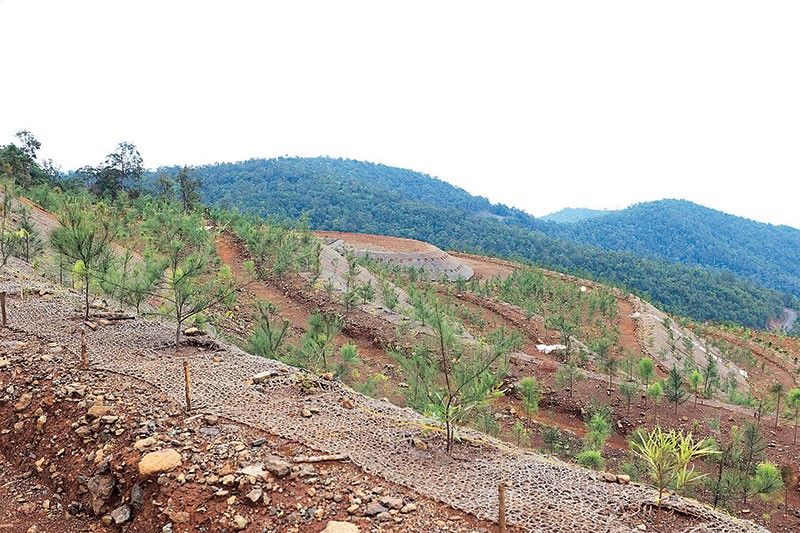
ANZ economist Kausani Basak said proposed spending on infrastructure and other long-term government assets total P1.3 trillion for 2027, equivalent to four percent of gross domestic product (GDP).
That would mark the third consecutive annual decline in capital outlays relative to the size of the economy and the lowest share since 2016, the report said.
“As a result, even though the pending funds from the 2026 budget will provide a push to domestic activity, adequate support from infrastructure spending will likely be missing in 2027,” Basak said.
The assessment casts doubt on how quickly government spending can help reverse a slump in investment and restore confidence among consumers already facing weaker employment conditions and elevated prices.
ANZ noted that the Department of Budget and Management had released 99.5 percent of the budget allocated to the Department of Public Works and Highways by end-August. However, budget releases do not necessarily mean funds have already been paid out for projects.
“The government expects infrastructure spending to pick up in the second half, though we are more skeptical,” Basak said.
Government capital spending has remained deeply in contraction amid closer scrutiny of budget disbursements, the report said.
Across the economy, fixed capital formation fell by 13.7 percent year-on-year in the second quarter. This was its third consecutive quarterly decline.
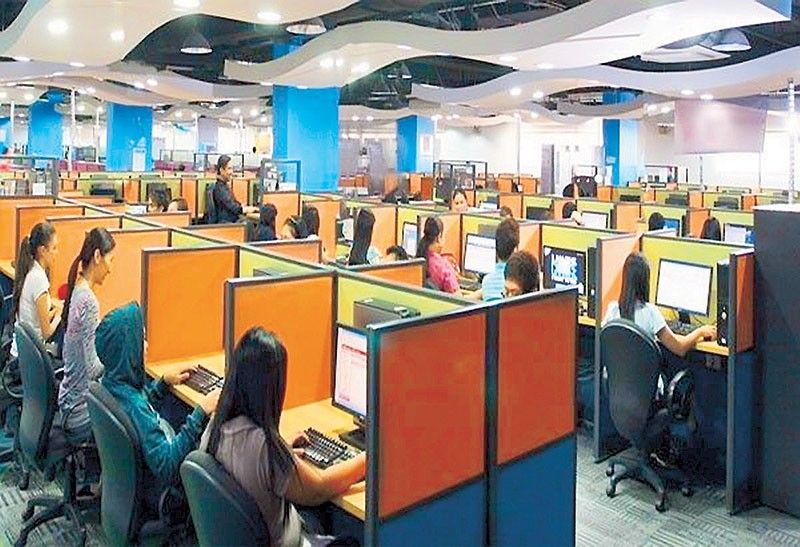
Household spending growth also slowed to 2.8 percent as wage growth weakened. ANZ said lingering governance issues had heightened uncertainty and pushed consumer confidence to a multi-year low.
The weakness is increasingly affecting jobs, with unemployment rising to six percent in July, its highest level since 2022, according to the report.
Basak said a higher minimum wage in Metro Manila may provide only limited relief to consumption as households could choose to save additional income.
“Even if wages pick up, Filipino consumers are unlikely to raise spending proportionately and will likely prefer to save amid heightened uncertainty,” she said.
“A broader revival in economic activity, supported by a recovery in government infrastructure spending, will be needed to lift weakening household consumption.”
ANZ forecasts Philippine economic growth of 3.5 percent this year and five percent in 2027.
The recovery also faces renewed price pressures from oil, rice and emerging El Niño conditions, potentially requiring further monetary tightening even as domestic demand struggles.
ANZ expects the Bangko Sentral ng Pilipinas to raise its policy rate, which influences borrowing costs, by another quarter percentage point to 5.25 percent in the fourth quarter.
It forecasts inflation to average 6.2 percent this year and 5.2 percent in 2027, adding to the challenges facing household spending.