1 week ago
17
1 week ago
17

Upgrade to High-Speed Internet for only ₱1499/month!
Enjoy up to 100 Mbps fiber broadband, perfect for browsing, streaming, and gaming.
Visit Suniway.ph to learn
Electricity bills are surging for Filipino households as global energy prices climb, even as dozens of countries cut energy taxes amid uncertainties around the Middle East conflict.
Philstar.com illustration
MANILA, Philippines — Filipino households are dealing with sharp increases in electricity bills this month, even as governments around the world cut energy taxes to cushion the impact of the global energy crisis.
At least 39 economies have lowered energy taxes in response to surging prices, with European countries leading the shift, the Financial Times reported.
The tax cuts reflect the demand on governments to ease the burden on consumers. This is despite warnings from institutions such as the International Monetary Fund that such measures could impact public finances inefficiently and distort markets.
In the Philippines, the pressure is already felt at the household level.
Consumers have reported higher and even doubled electricity bills over the past month, driven by higher generation costs, taxes and policy charges embedded in monthly billings.
Power distributor Meralco said these charges are largely pass-through and approved by regulators, with the utility acting only as a collection agent.
"We act solely as collection agents for these costs. These do not form part of our revenues in any way," the company said.
Electricity bills include not just generation and transmission costs, but also taxes and mandated charges set by law.
These include:
- the 12% value-added tax (VAT) under the National Internal Revenue Code
- the universal charge under Republic Act No. 9136, or the Electric Power Industry Reform Act (EPIRA)
- policy-driven charges such as the Feed-in Tariff Allowance and subsidies for vulnerable sectors
Under EPIRA, the universal charge is collected from all electricity users to fund items such as missionary electrification and other obligations in the power sector.
Consumer burden
Lifeline rate. Electricity bills also carry cross-subsidies, including the "lifeline rate" for low-income households, which was extended under Republic Act 11552.
These subsidies are spread across consumers through regulated charges, meaning higher-paying users effectively help fund discounted electricity for marginalized sectors.
As overall costs rise, some consumers have begun questioning these embedded charges, including support linked to programs such as the Pantawid Pamilyang Pilipino Program.
They argue that social protection programs should be funded through broader taxation rather than utility bills.
Refunds due. The issue has been compounded by disputes over electricity collections.
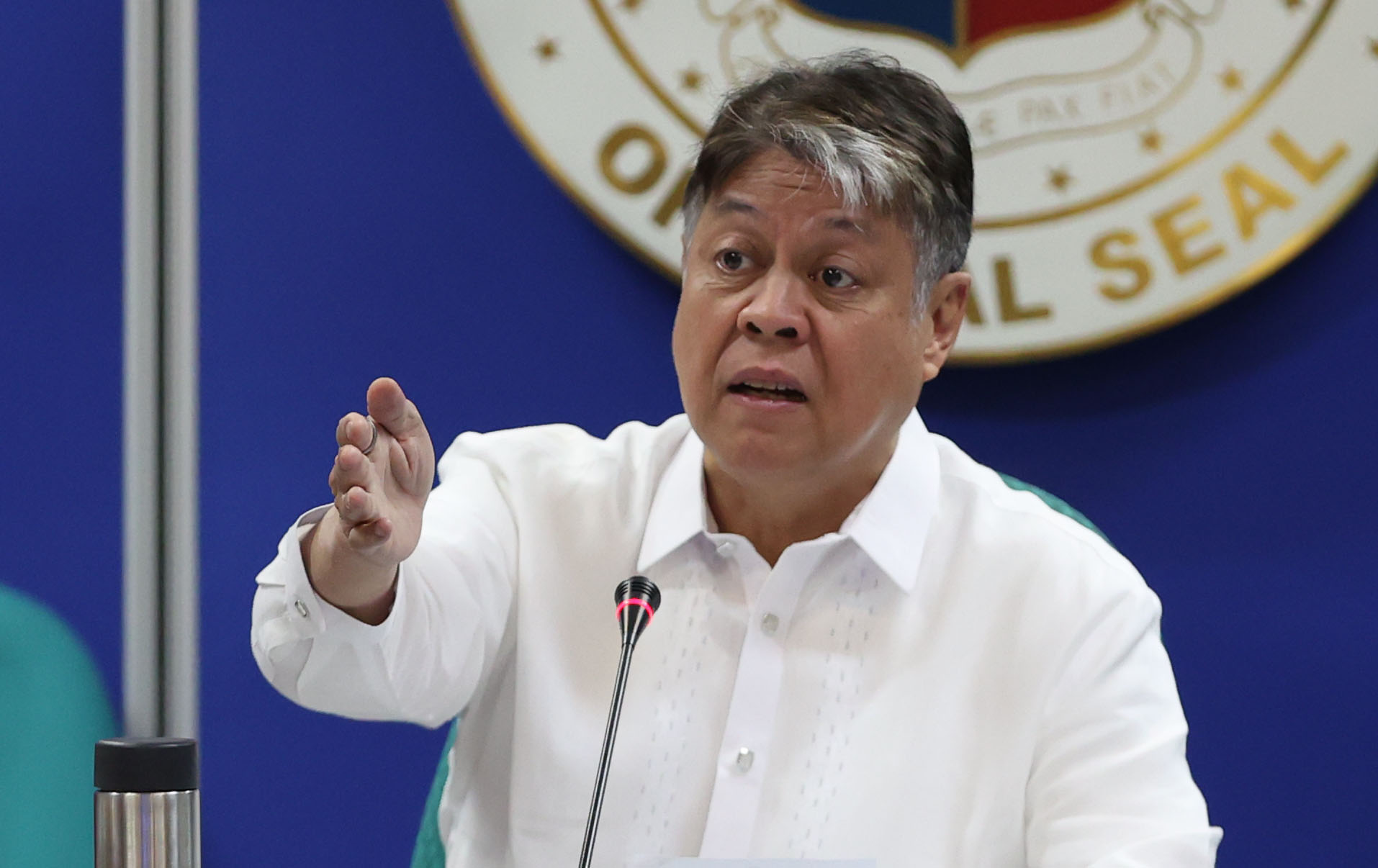
Sen. Risa Hontiveros has called for a full refund of overcollections, arguing that the P14.17 billion ordered by regulators represents only a fraction of what consumers may be owed.
"Hangga't hindi nila nababalik ang buong P100 billion in overcollections, bitin pa iyan lahat," Hontiveros said Tuesday, April 27. (Until they've returned the full P100 billion in overcollections, it is still not enough.)
The refund will be spread over 12 months starting May, meaning relief is gradual even as cost increases are felt immediately.
"Bawat araw na hindi naibabalik... nag-aadjust tayo sa mga gastusin sa bahay. Konsyumer na lang lagi ang naghihintay at nag-aadjust," Hontiveros said. (Every day that excess charges are not returned, households are forced to adjust their expenses… it is always the consumers who wait and adjust.)
Global contrast
Elsewhere, governments have responded more aggressively. Countries have cut fuel duties, reduced energy VAT, and rolled out subsidies to blunt price shocks.
The Philippine government has so far avoided sweeping tax cuts on energy, instead relying on targeted measures and regulatory interventions.
President Ferdinand Marcos Jr. has ordered cuts on some fuel products for households, but refused to suspend other levies.
But with electricity costs rising and consumer frustration mounting, the question is gaining urgency: whether to maintain current tax structures or adopt broader relief measures similar to those implemented abroad. — Camille Diola